Choosing the best laptop for photo editing can be overwhelming. You need a machine that handles large files smoothly and shows your work in true colors.
Imagine working without lags, seeing every detail clearly, and finishing your projects faster. This article will help you find the perfect laptop that fits your needs and budget. Keep reading to discover how you can boost your creativity and productivity with the right device.
Key Features For Photo Editing Laptops
Choosing the right laptop for photo editing means focusing on certain key features. These features help you see true colors, edit smoothly, and save your work without delay. Each part plays a role in making your editing experience better and faster.
Display Quality And Color Accuracy
A good display shows clear and sharp images. Look for laptops with high resolution screens, like Full HD or 4K. Color accuracy matters a lot. Laptops with IPS panels offer better color and wider viewing angles. Check for laptops that cover sRGB or AdobeRGB color spaces for true-to-life colors.
Processor And Performance
The processor runs your editing software. A strong CPU with multiple cores speeds up tasks. Intel i5 or i7, or AMD Ryzen 5 or 7, are good choices. Faster processors handle complex edits and large files without lag.
Graphics Capability
A dedicated graphics card helps with rendering images and effects. It takes the load off the CPU. NVIDIA and AMD offer good options for photo editing. Even mid-range graphics cards improve preview speed and enhance smoothness during editing.
Ram And Storage Options
RAM allows your laptop to work on multiple tasks at once. At least 16GB RAM is ideal for photo editing. Storage speed and size matter too. SSDs provide faster loading and saving times. Aim for at least 512GB SSD to store photos and programs comfortably.
Portability And Battery Life
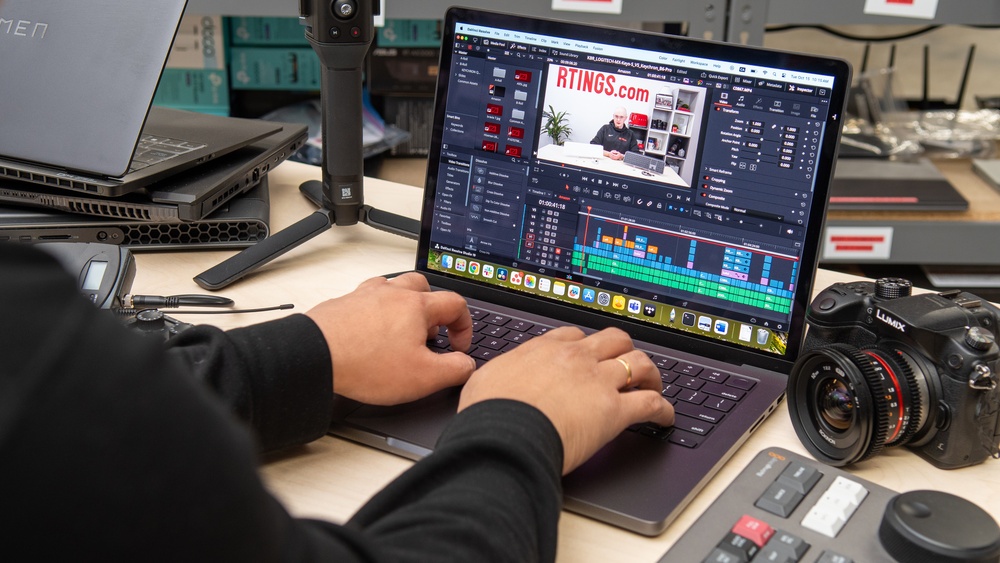
Photo editing laptops should be easy to carry. Lightweight and slim designs help you work anywhere. Long battery life keeps you editing without constant charging. Look for laptops that offer 8 hours or more on a single charge.

Credit: www.rtings.com
Top Laptop Models For Photo Editing
Choosing the right laptop for photo editing is important. The right model helps you work smoothly and see colors clearly. Different users have different needs and budgets. Here are some top laptop models that fit various photo editing demands. Each offers good performance and display quality for editing photos.
From high-end professional machines to budget-friendly options, there is a laptop for every photo editor. This guide breaks down choices by price and features. Find the best fit to make your photo editing easier and more enjoyable.
High-end Picks For Professionals
Professional photo editors need powerful laptops with top displays. Look for models with 4K screens and strong graphics cards. The Apple MacBook Pro offers excellent color accuracy and speed. Dell XPS 15 is a great Windows alternative with a bright, sharp display. These laptops handle large files and complex edits fast.
Mid-range Laptops With Great Value
Mid-range laptops balance price and performance well. They suit hobbyists and semi-professional editors. The ASUS ZenBook and Microsoft Surface Laptop provide vivid screens and good processors. These laptops run popular editing software smoothly. They offer solid battery life and portability too.
Budget-friendly Options
Budget laptops serve beginners and casual editors. They still offer decent screen quality and editing power. Models like Acer Aspire 5 and HP Pavilion deliver good color accuracy for the price. Expect slower processing but enough for basic photo work. These are great for learning and light editing tasks.
Choosing The Right Display For Editing
Choosing the right display is key for photo editing. The screen shows every detail of your work. A poor display can hide flaws or change colors. This leads to bad results and more work later. A good display helps you see colors clearly and work comfortably for hours. Let’s explore the main factors to consider.
Screen Size Considerations
Screen size affects your comfort and detail visibility. Larger screens show more of your photo at once. This helps with complex edits and comparing details. Small screens may cause eye strain and frequent zooming. Aim for a screen between 15 and 17 inches. This size balances portability and editing space well.
Resolution And Panel Types
Resolution defines how sharp the image looks. Higher resolution means more pixels and clearer images. Choose at least Full HD (1920×1080) or higher. 4K screens offer excellent detail but use more power. Panel types affect color and viewing angles. IPS panels offer better colors and wide angles. Avoid TN panels as they show poor color accuracy.
Color Gamut And Calibration
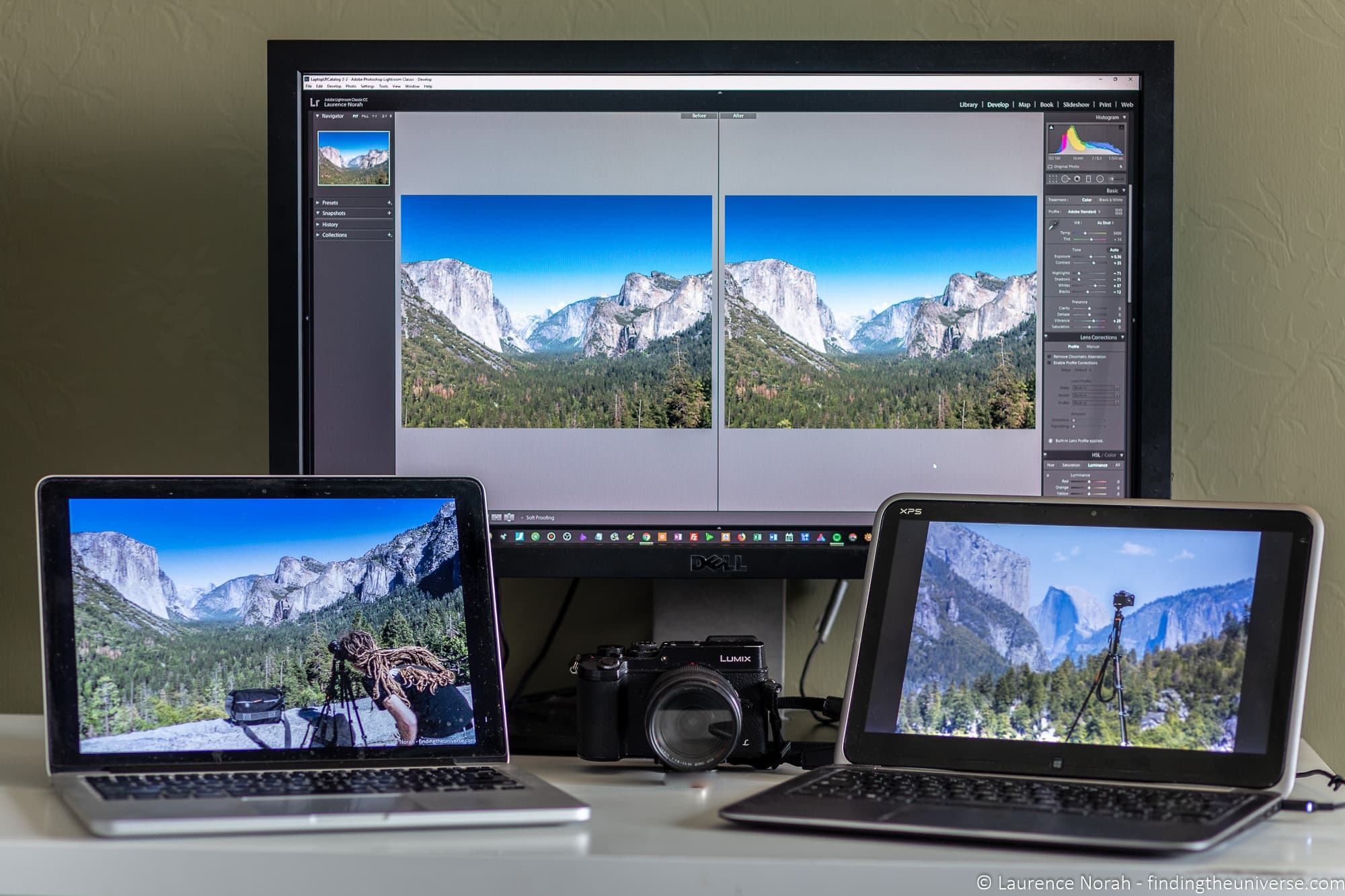
Color gamut shows the range of colors a display can show. A wide color gamut covers more colors and makes photos look true. Look for displays with at least 100% sRGB coverage. AdobeRGB coverage is even better for professional work. Calibration ensures colors stay accurate over time. Use built-in tools or external devices to calibrate often.
Credit: www.findingtheuniverse.com
Performance Tips For Smooth Editing
Editing photos on a laptop needs smooth performance. Slow devices cause frustration and waste time. Simple tips can help your laptop run photo editing software faster. Focus on three key areas: RAM and storage, GPU power, and processor type. These factors impact how well your laptop handles editing tasks.
Optimizing Ram And Storage
RAM stores data temporarily for quick access. More RAM means better multitasking and faster editing. Aim for at least 16GB of RAM for photo editing. Storage speed also matters. Solid State Drives (SSDs) load files faster than traditional hard drives. Use SSDs to reduce waiting times when opening or saving photos. Keep your storage organized and free of clutter. Delete unnecessary files regularly to keep your system fast.
Leveraging Gpu Power
A Graphics Processing Unit (GPU) helps render images quickly. Photo editing software uses the GPU for tasks like filters and effects. A strong GPU improves preview speed and reduces lag. Choose a laptop with a dedicated GPU rather than just integrated graphics. NVIDIA and AMD offer good options for photo editing. The GPU takes pressure off the processor, making editing smoother.
Best Processors For Editing Tasks
The processor is the brain of your laptop. It handles calculations and runs software. Photo editing benefits from fast, multi-core processors. Intel Core i7 and i9 or AMD Ryzen 7 and 9 are solid choices. More cores mean better performance with complex edits and batch processing. Higher clock speeds improve responsiveness. Avoid older or entry-level processors for serious photo work.
Additional Features To Enhance Workflow
Choosing the best laptop for photo editing involves more than just screen size and processor speed. Extra features can make your work faster and easier. These features help you focus on editing without distractions or delays.
Small details like ports, keyboard feel, and software support improve your daily workflow. They help you connect devices, work comfortably, and run editing programs smoothly.
Connectivity And Ports
Good connectivity allows quick file transfers and device connections. Multiple USB ports let you connect external drives and accessories. An SD card reader helps you move photos directly from your camera. Thunderbolt ports speed up data transfer for large files. HDMI output lets you use an external monitor for better color accuracy.
Keyboard And Trackpad Quality
A comfortable keyboard helps you work longer without strain. Keys that are soft but responsive improve typing speed. A precise trackpad allows smooth cursor control for detailed edits. Large trackpads support multi-touch gestures for easier navigation. Backlit keyboards help work in low light without mistakes.
Software Compatibility
Photo editing needs specific software to run well. The laptop must support popular programs like Adobe Photoshop and Lightroom. Some laptops come with pre-installed software for editing. Regular updates and driver support keep software running smoothly. Compatibility ensures no crashes or slowdowns during your work.
Credit: www.youtube.com
Maintaining Your Laptop For Longevity
Keeping your laptop in good shape is key for photo editing tasks. A well-maintained laptop runs smoothly and lasts longer. This saves money and avoids frustrating delays during your work. Simple habits help protect your investment and ensure steady performance.
Regular Software Updates
Updating your laptop’s software improves security and speed. Operating system updates fix bugs that cause crashes. Photo editing software also needs updates for new features and better stability. Set your laptop to update automatically. Check updates manually if needed. Updated software reduces errors and keeps your laptop safe.
Hardware Care Tips
Keep your laptop clean and cool. Dust can block vents and cause overheating. Use a soft cloth to clean the screen and keyboard. Avoid eating or drinking near the laptop to prevent spills. Handle your laptop gently to avoid damage. Use a laptop cooling pad if you edit photos for long hours.
Backup And Security Measures
Save your work regularly to avoid data loss. Use cloud storage or an external hard drive for backups. Set strong passwords to protect your laptop and files. Install reliable antivirus software to guard against malware. Regular backups and security keep your photos safe and your work uninterrupted.
Frequently Asked Questions
What Laptop Specs Are Best For Photo Editing?
For photo editing, prioritize a high-resolution display with accurate colors, at least 16GB RAM, a powerful CPU, and dedicated GPU. SSD storage is preferred for fast file access. These specs ensure smooth editing and quick rendering.
Which Screen Size Is Ideal For Photo Editing Laptops?
A 15 to 17-inch screen size is ideal for photo editing. It offers ample workspace and better detail visibility without sacrificing portability. Larger screens provide a more immersive editing experience.
Do I Need A Dedicated Gpu For Photo Editing?
Yes, a dedicated GPU improves rendering speed and handles complex filters efficiently. It enhances performance in software like Adobe Photoshop and Lightroom, making editing faster and smoother.
How Important Is Color Accuracy In Photo Editing Laptops?
Color accuracy is crucial for photo editing to ensure true-to-life images. Look for laptops with IPS panels and high color gamut coverage, such as AdobeRGB or sRGB. This ensures your edits appear consistent across devices.
Conclusion
Choosing the right laptop makes photo editing easier and more fun. Focus on good screen quality and enough power. A fast processor and enough memory help your work go smooth. Don’t forget storage space for all your photos. Pick a laptop that fits your budget and needs.
The best laptop lets you create without worry or delay. Take your time and choose well. Your photos will look better with the right tools.