Choosing the right camera can make all the difference when you’re traveling. You want something that fits in your bag, captures stunning moments, and works well in different settings.
But with so many options out there, how do you find the perfect one for your adventures? This guide will help you discover cameras that match your travel style and needs, making it easier for you to preserve your memories in the best way possible.
Keep reading to find the camera that’s just right for you.

Credit: www.digitalcameraworld.com
Why Choose Lightweight Cameras
Choosing a lightweight camera can change your travel experience. These cameras are easy to carry and handle. You can take beautiful photos without feeling tired. Light cameras fit better in small bags or pockets. They make your journey smoother and more enjoyable.
Benefits Of Compact Design
Compact cameras are small but powerful. They fit easily in your hand or bag. You can carry them all day without strain. Their size lets you shoot photos quickly and discreetly. Compact design means less weight, more freedom to explore. It also helps you stay ready for unexpected shots.
Impact On Travel Experience
Travel feels better with a light camera. You can move faster and see more places. No heavy gear to slow you down or cause pain. It helps you focus on moments, not equipment. Lightweight cameras make travel less stressful and more fun. You enjoy each trip more with less burden.
Key Features For Travel Cameras
Choosing the right camera for travel means focusing on certain key features. These features help capture great photos and keep the camera working well on the go. Understanding these points makes picking a travel camera easier. Quality pictures, long battery life, and strong build matter most.
Image Quality And Sensor Size
Good image quality is a must for travel photos. A larger sensor captures more light and detail. This leads to sharper, clearer pictures. Cameras with bigger sensors perform better in low light. They reduce noise and keep colors natural. Many travel cameras balance size and sensor quality well. Compact cameras often have smaller sensors but still take great photos.
Battery Life And Storage
Long battery life means more shots without needing a charge. Travel days can be long, with no power nearby. Cameras with efficient batteries save hassle. Also, storage space is key. Many photos and videos fill memory fast. Choose cameras that support large memory cards. Some cameras offer dual card slots for extra storage. This avoids running out of space during trips.
Durability And Weather Resistance
Travel exposes cameras to dust, rain, and bumps. Durable cameras withstand rough handling. Weather resistance protects against rain and moisture. A strong camera lasts longer on adventures. Look for cameras with sealed bodies and rugged design. These features keep the camera safe from damage. This lets you focus on capturing moments, not worrying about the gear.
Top Mirrorless Cameras For Travel
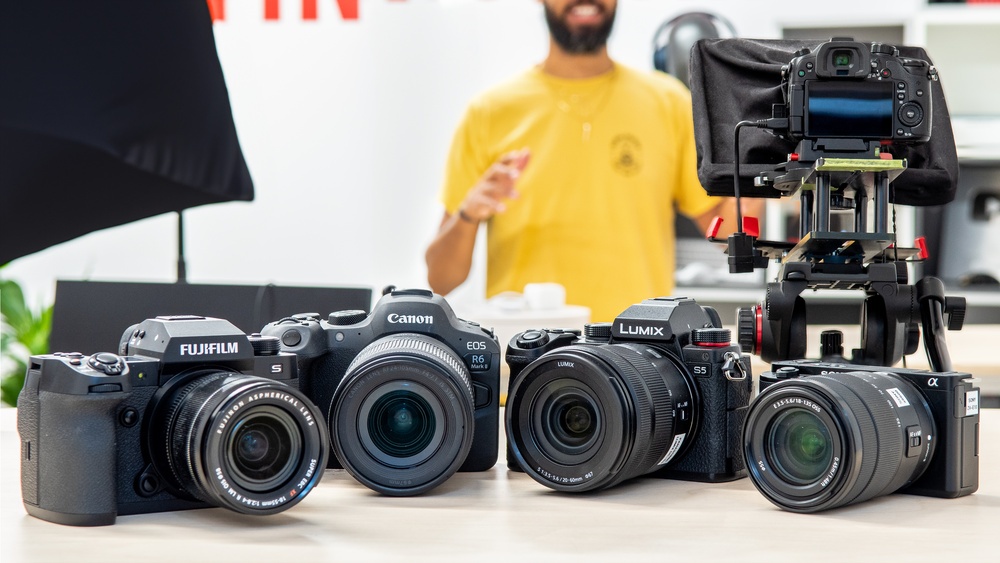
Travel photography needs cameras that are light and easy to carry. Mirrorless cameras fit this need perfectly. They offer great image quality without the bulk of traditional cameras.
These cameras suit travelers who want to capture sharp, vivid photos on the go. Small size and strong features make them popular choices for many.
High Performance In Small Bodies
Mirrorless cameras pack powerful sensors into compact bodies. They deliver sharp images with good color and detail. Fast autofocus helps capture moments quickly. Many models shoot high-quality videos too. Small size means less weight in your bag.
Versatile Lens Options
These cameras support many lenses for different needs. Wide-angle lenses capture landscapes and city scenes well. Zoom lenses bring distant subjects closer without moving. Prime lenses offer sharpness and better low-light shots. Swapping lenses lets you adapt to any scene easily.
Best Point-and-shoot Cameras
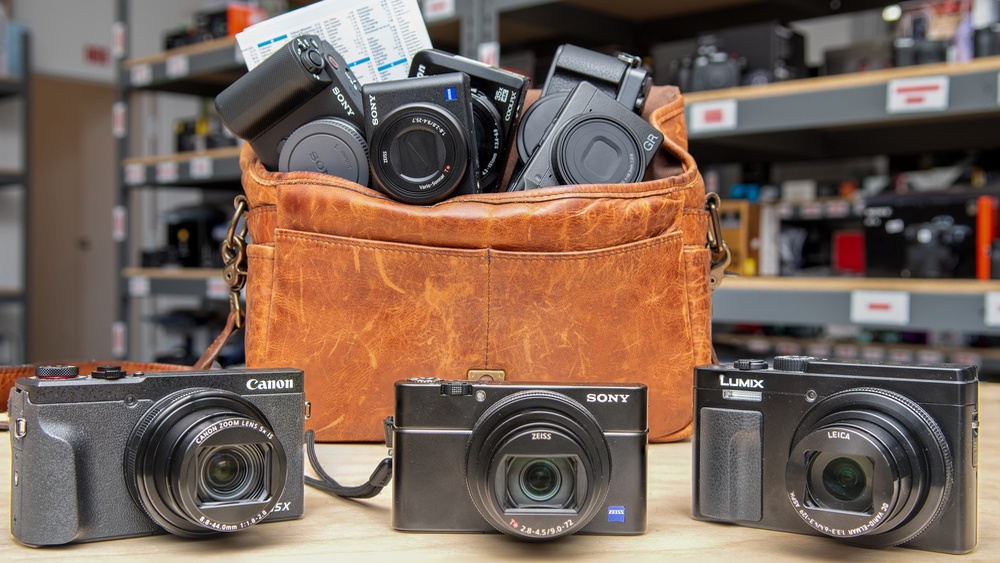
Point-and-shoot cameras remain popular for travelers who want quick, easy photos without heavy gear. These cameras offer solid image quality with minimal effort. They fit well in any travel scenario, from city tours to nature hikes.
Lightweight and simple controls make them perfect for casual photographers. No need to adjust complex settings. Just aim, shoot, and capture moments with ease.
Ease Of Use On The Go
Point-and-shoot cameras are designed for simplicity. Automatic settings handle focus and exposure for you. This saves time and avoids missed shots. The menus stay straightforward, so you spend less time adjusting and more time enjoying your trip.
They turn on fast and are ready to shoot immediately. Ideal for capturing spontaneous moments during travel. No technical skills needed to get great photos.
Compact And Pocket-friendly
These cameras are small enough to fit in a pocket or purse. This makes carrying them effortless throughout the day. You can bring them anywhere without feeling weighed down.
Their compact size means they slip into bags easily. Great for travelers who prefer light packing. You won’t have to leave your camera behind on adventures.
Action Cameras For Adventure Shots
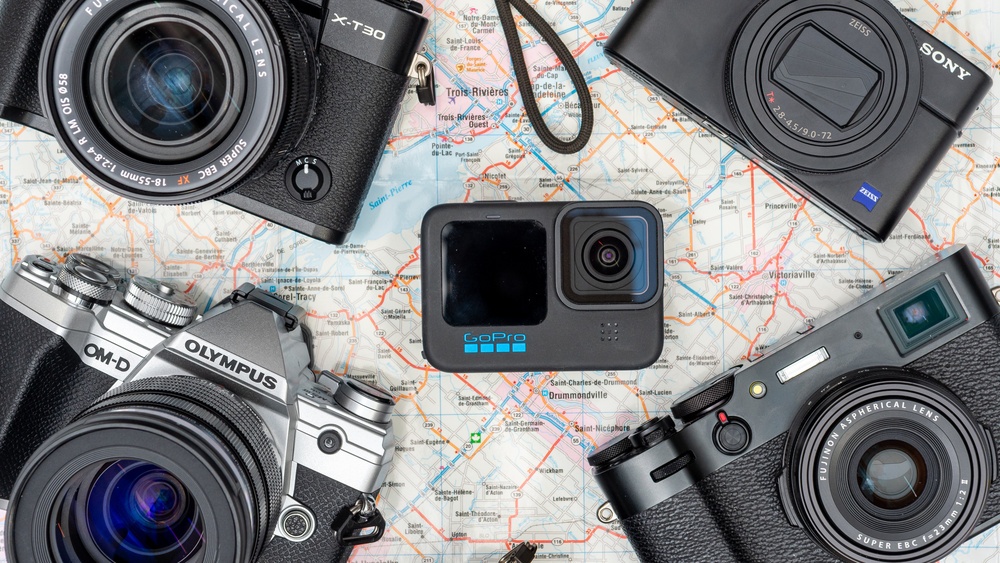
Action cameras are perfect for capturing thrilling travel moments. Their small size and strong design make them ideal for adventure shots. These cameras fit in tight spots and handle tough conditions. They let travelers record fast-moving scenes with ease. Every trip becomes memorable with clear, exciting footage.
Rugged Build And Mounting Options
Action cameras have tough, waterproof bodies. They survive drops, dust, and rain without damage. This rugged build suits hiking, biking, and water sports. Many models come with mounts for helmets, bikes, and surfboards. These mounts keep the camera steady during action. Users get hands-free shooting while moving fast. The compact design fits in bags or pockets easily.
Capturing Dynamic Scenes
Action cameras capture smooth video of fast activities. Their wide-angle lenses show broad, immersive views. High frame rates help record sharp slow-motion clips. Image stabilization reduces shakiness for clear shots. Some models shoot in 4K for detailed footage. These features make every jump, ride, or splash vivid. Action cameras let travelers relive their adventures in full detail.
Smartphone Cameras Vs Dedicated Cameras
Choosing the right camera for travel depends on many factors. Smartphone cameras and dedicated cameras each have their strengths. Understanding these differences helps travelers pick the best option for their needs. Both types capture moments well but offer different experiences.
Portability And Convenience
Smartphone cameras are small and always ready. They fit easily in pockets or bags. No extra gear is needed. Quick shots are simple and fast. Dedicated cameras are larger and heavier. Carrying them can be a burden on long trips. They need cases and extra lenses. Charging and storage require more attention. For light travel, smartphones offer clear benefits.
Image Quality Comparisons
Dedicated cameras usually have bigger sensors. This means clearer pictures with better detail. They work well in low light and zoom better. Smartphones have smaller sensors but smart software. They improve colors and sharpness automatically. For casual shots, phone images look great. Serious photographers prefer dedicated cameras for quality. Both types create beautiful travel photos, each in its own way.
Tips For Choosing The Right Travel Camera
Choosing the right travel camera makes your trips more memorable. A good camera fits your travel needs and style. It should be easy to carry and simple to use. Think about what kind of photos you want to take. Also, consider how much you want to spend. These tips help you find a camera that suits your travel plans.
Matching Camera To Travel Style
Think about your travel activities. Are you hiking, sightseeing, or relaxing on the beach? A small, lightweight camera works well for hiking and walking tours. For city trips, a compact camera with good zoom helps capture details. If you love nature or wildlife, a camera with a powerful zoom lens is best. Choose a camera that fits your usual travel pace and style.
Budget Considerations
Set a clear budget before buying a travel camera. Cameras come in many price ranges. Basic models suit beginners and casual travelers. Mid-range cameras offer better features and image quality. High-end cameras are for serious photographers. Remember to include extra costs like memory cards and cases. Stay within budget but focus on the best value for your needs.
Essential Accessories For Travel Photography
Travel photography needs more than just a good camera. Carrying the right accessories helps capture perfect moments easily. These tools make your shooting smooth and stress-free.
Compact Tripods And Straps
A small tripod is a must-have for steady shots. It fits in your bag and sets up fast. Great for low light or group photos. A comfortable strap keeps your camera safe. Look for one that supports your camera’s weight. It helps avoid drops and frees your hands.
Extra Batteries And Memory Cards
Running out of power can ruin a photo session. Carry extra batteries to keep shooting longer. Make sure they are fully charged before you leave. Memory cards fill up fast with high-quality images. Bring additional cards to avoid storage problems. Swap cards quickly and keep your photos safe.
Maintaining Your Camera On The Road
Traveling with a camera means capturing beautiful moments everywhere. Taking care of your camera on the road keeps it working well. Good care helps avoid costly repairs and lost memories. Small habits protect your gear and keep it ready to shoot.
Protecting Against Damage
Carry your camera in a padded bag. Use a camera case with strong zippers. Avoid placing heavy items on top of it. Always keep the camera strap around your neck or wrist. This reduces chances of dropping it. Avoid exposing the camera to rain or dust. Use lens caps and body covers when not shooting. In dusty or wet places, consider a rain cover for your camera.
Cleaning And Storage Tips
Use a soft brush or blower to remove dust from lenses. Clean the lens gently with a microfiber cloth. Avoid using rough materials that can scratch glass. Store your camera in a dry place at night. Use silica gel packs to reduce moisture inside your bag. Remove batteries if you won’t use the camera for days. This prevents battery leaks and corrosion. Keep your camera away from extreme heat and cold. Temperature changes can damage internal parts and lenses.

Credit: www.rtings.com
Credit: www.digitalcameraworld.com
Frequently Asked Questions
What Features Make A Camera Ideal For Travel?
A travel camera should be lightweight, compact, and durable. It needs good battery life and versatile zoom. Image quality and ease of use are also essential for capturing memories on the go.
Which Camera Types Are Best For Travel Photography?
Mirrorless and compact cameras are best for travel. They offer high image quality without heavy bulk. DSLRs provide excellent quality but are heavier. Choose based on your photography style and travel needs.
How Important Is Camera Size For Traveling?
Camera size matters for convenience and mobility. Smaller cameras fit easily in bags and pockets. They reduce travel hassle while still delivering great photos. Prioritize portability without sacrificing image quality.
Should I Prioritize Zoom Or Image Quality In Travel Cameras?
Balance is key: good zoom helps capture distant scenes. High image quality ensures sharp, vibrant photos. Choose a camera offering both, so you can capture varied travel moments perfectly.
Conclusion
Choosing the right camera makes travel photos better and easier. Small size and light weight help carry it anywhere. Good battery life means more shots without worry. Clear pictures capture memories that last forever. Think about what features you really need.
This helps find a camera that fits your style. Enjoy your trips and take great photos every time. Travel with confidence and create stories through your lens.