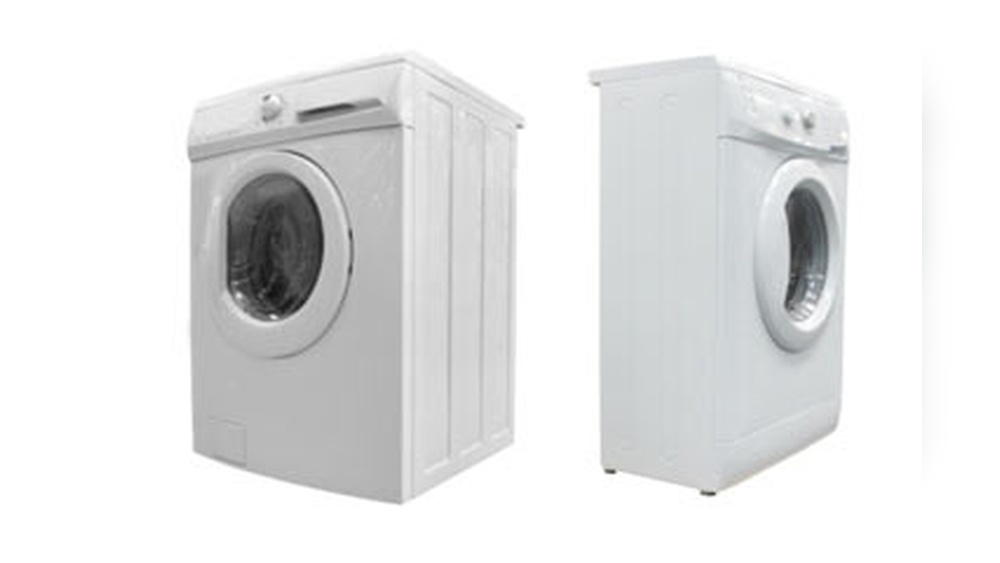
Are you tired of seeing your water bill climb every time you do laundry? What if your washing machine could clean your clothes perfectly while using much less water?
Choosing a washing machine with low water consumption can save you money and help protect the environment. You’ll discover how these smart machines work, why they matter, and how to pick the best one for your home. Keep reading to learn how you can make a simple change that makes a big difference for your wallet and the planet.
Benefits Of Low Water Washing Machines
Low water washing machines offer many benefits. They use less water but clean clothes well. This technology helps save money and protect the environment. Many people want to lower their water use. These machines make that easy and effective.
Reducing Water Bills
Low water washing machines use much less water. This cuts down your monthly water bill. Using less water means paying less. Over time, these savings add up. Lower water bills help manage home expenses better.
Environmental Impact
Saving water protects rivers and lakes. Less water use means less strain on nature. It helps maintain clean water for everyone. These machines reduce water waste. Using less water lowers pollution from water treatment.
Energy Efficiency
Less water means less energy needed to heat it. Low water washing machines use less power. This reduces electricity bills and saves resources. Energy efficiency also lowers carbon emissions. It supports a cleaner, healthier planet.

Credit: www.youtube.com
How Low Water Washing Machines Work
Low water washing machines use smart technology to save water. They clean clothes well with less water than regular machines. These machines have special features to reduce water use and still wash clothes thoroughly.
Here is how they work to save water without losing cleaning power.
Advanced Wash Cycles
Low water washers have special wash cycles. These cycles use less water but clean deeply. Sensors check how dirty clothes are. Then the machine adjusts water and time to match the need. This stops water waste and keeps clothes clean.
Water Recycling Systems
Some machines reuse water during the wash. They filter and clean the water inside the machine. Then, they use it again for rinsing or washing. This process cuts down on water use a lot. It helps save water without affecting wash quality.
Efficient Drum Design
The drum inside low water washers is designed to use less water. It moves clothes in a way that uses water better. The drum’s shape helps water reach all clothes quickly. This design means less water is needed for a full clean.
Types Of Low Water Washers
Low water washers save water and energy while cleaning clothes well. These machines use less water than regular washers. They come in different types to suit various needs and spaces. Each type offers benefits for saving water and keeping clothes clean.
Choosing the right low water washer depends on your laundry habits and space. Below are the main types of low water washers you can consider.
Front Load Washers
Front load washers use less water than top loaders. They clean clothes by tumbling them through a small amount of water. These machines spin faster to remove more water from clothes. This reduces drying time and saves energy. Front loaders are gentle on clothes and use water efficiently.
Top Load Washers
Top load washers with low water use have new designs. They use less water by controlling the fill level carefully. Some models use impellers instead of agitators to move clothes. This helps save water and still cleans well. Top loaders are easy to load and unload.
Portable Low Water Machines
Portable low water washers are small and fit in tight spaces. They use very little water and power. These machines are ideal for small apartments or travel. Portable washers clean clothes effectively with less water. They offer convenience and water savings in one package.
Credit: www.directindustry.com
Key Features To Look For
Choosing a washing machine with low water consumption helps save water and reduce bills. Certain features make these machines efficient and user-friendly. Knowing what to look for guides you to the best choice. Here are key features that matter most.
Water Usage Indicators
Water usage indicators show how much water a cycle uses. They help you pick cycles that use less water. This feature makes it easy to avoid wasting water. It also helps track water consumption over time.
Eco-friendly Settings
Eco-friendly settings use less water and energy during washing. These modes adjust the wash time and temperature. They clean clothes well without wasting resources. Using eco modes supports a greener lifestyle and saves money.
Load Sensing Technology
Load sensing technology measures the size of each load. It then uses just the right amount of water needed. This prevents water waste and improves washing efficiency. It also reduces the wear on clothes by avoiding over-washing.
Tips For Saving Water During Laundry
Saving water during laundry helps protect the environment and lowers utility bills. Small changes in how you use your washing machine can make a big difference. Follow these simple tips to reduce water use while keeping clothes clean and fresh.
Choosing The Right Cycle
Select a washing cycle that fits the type of clothes you wash. Use shorter or eco-friendly cycles for lightly soiled clothes. These cycles use less water and energy. Avoid using heavy cycles for small loads to save water.
Optimal Load Sizes
Fill the washing machine to the right level. Too few clothes waste water and energy. Overloading reduces cleaning quality and may waste water too. Check your machine’s manual for the best load size.
Using Cold Water Washes
Cold water washes clean many clothes well. They save water and reduce energy use. Use cold water for everyday laundry. Reserve hot water for heavily soiled or stained clothes only.
Top Brands And Models
Choosing a washing machine with low water consumption saves money and protects the environment. Many top brands offer models designed to use less water while keeping clothes clean. Here are some popular options to consider.
High Efficiency Models
High efficiency washing machines use advanced technology to reduce water use. Brands like LG, Samsung, and Whirlpool have models that clean well with less water. These machines also use less energy, lowering utility bills. They work best with high-efficiency detergents for good results. Many come with quick wash cycles to save even more water.
Budget-friendly Options
Affordable washing machines with low water use are available too. Brands such as Haier and Bosch offer reliable models at lower prices. These machines may have fewer features but still focus on saving water. They suit small families or those on a tight budget. Choosing these models helps reduce water waste without spending much.
Smart Washing Machines
Smart washers connect to Wi-Fi for easy control and monitoring. Brands like Electrolux and Samsung provide smart models with water-saving settings. These machines adjust water use based on load size and fabric type. You can start or stop cycles from a smartphone app. Smart machines help reduce water waste by optimizing each wash.
Maintenance For Water Efficiency
Maintaining your washing machine helps save water and energy. A well-kept machine uses less water for each wash. Simple care steps keep it running efficiently. This protects the environment and lowers your water bills.
Regular Cleaning
Clean the drum and door seal often. Dirt and soap build-up can block water flow. Use a damp cloth and mild detergent. Run a cleaning cycle with no clothes monthly. This removes residues that waste water.
Checking For Leaks
Leaks cause water loss and higher bills. Check hoses and connections for drips. Tighten loose fittings or replace damaged parts. Watch the floor for wet spots. Fix leaks quickly to save water.
Filter Maintenance
Clean the water inlet filter regularly. A clogged filter reduces water flow and efficiency. Remove the filter according to the manual. Rinse it under running water. Clean filters help the machine use less water.
Credit: www.directindustry.com
Frequently Asked Questions
What Is A Low Water Consumption Washing Machine?
A low water consumption washing machine uses less water per cycle. It saves water and reduces utility bills. These machines are eco-friendly and ideal for water-scarce areas. They maintain cleaning efficiency while minimizing water use, making them a smart choice for sustainable living.
How Do Low Water Washing Machines Save Water?
They use advanced technology to optimize water levels based on load size. Sensors adjust water intake automatically. Efficient wash cycles reduce water waste. This technology ensures clothes get cleaned thoroughly with minimal water, promoting eco-friendly laundry habits and reducing environmental impact.
Are Low Water Consumption Machines Energy Efficient?
Yes, they often use less energy alongside water savings. Using less water means less energy is needed to heat it. Many models feature energy-saving modes and efficient motors. This dual saving reduces overall utility costs and supports sustainable home practices.
Can Low Water Washing Machines Clean Clothes Effectively?
Yes, modern low water machines use strong agitation and rinse systems. They maintain washing power despite less water. Many users report equally clean clothes compared to traditional washers. Technology ensures dirt and detergent residues are properly removed for fresh results.
Conclusion
Choosing a washing machine with low water use saves money and the planet. It cleans clothes well without wasting water. Small changes like this help protect our environment. Saving water also lowers your utility bills each month. Think about how much water you use daily.
A water-efficient washer makes a big difference. It’s a smart choice for any home. Start saving water today with a better washing machine. Your clothes stay clean, and nature stays safe. Simple steps lead to a cleaner, greener future.