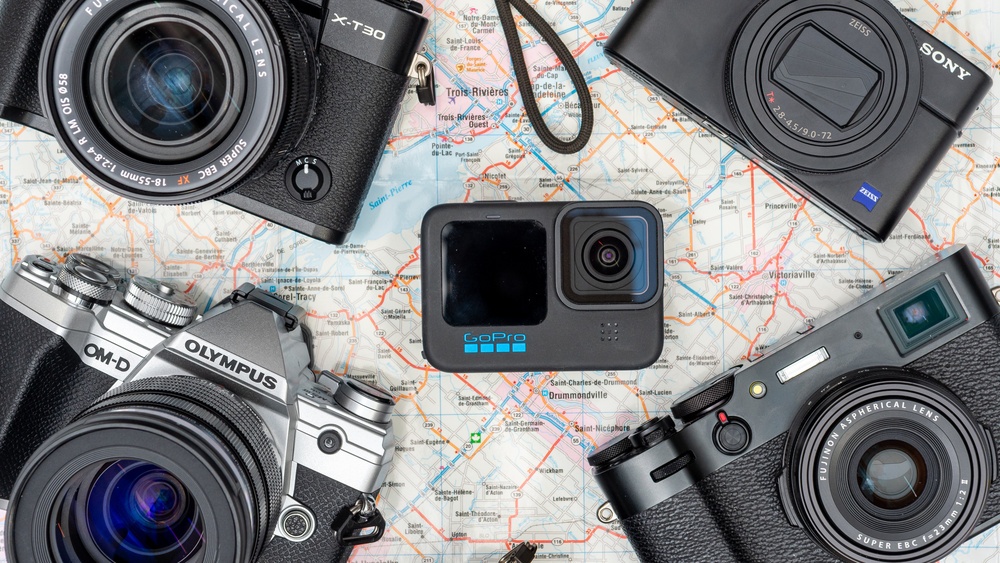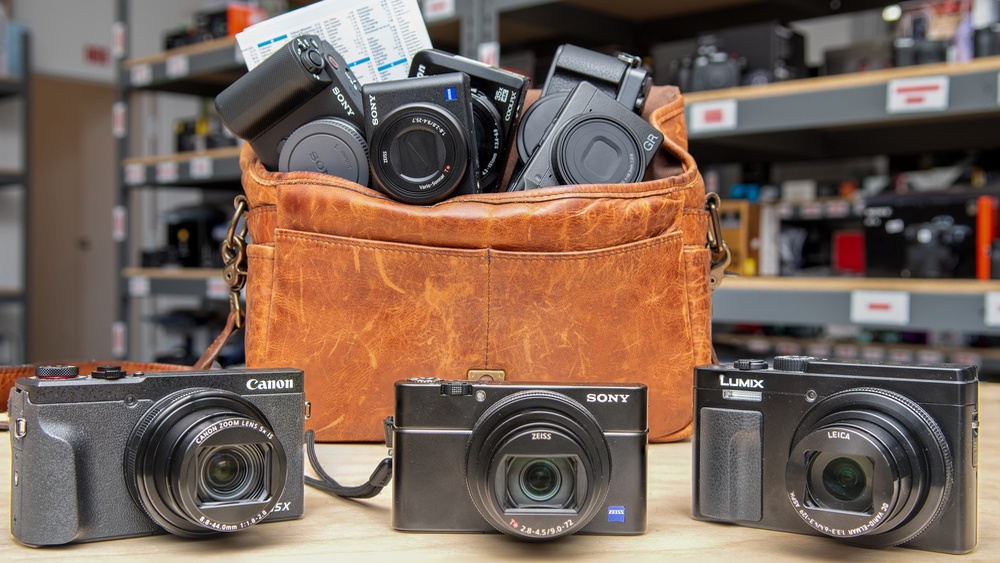
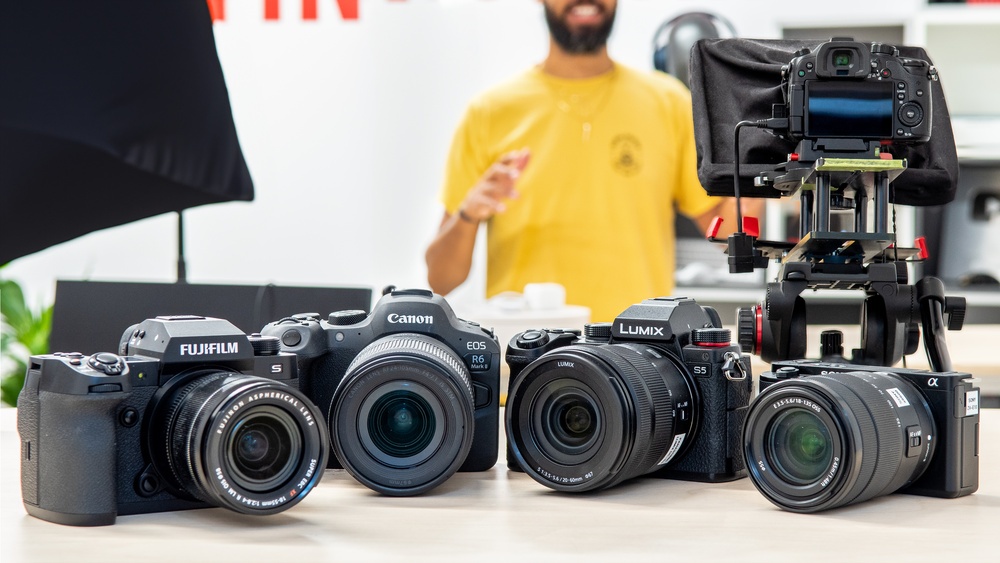
Choosing the best camera for video can feel overwhelming with so many options out there. You want clear, sharp footage that makes your videos stand out.
But how do you find a camera that fits your style, budget, and skill level? You’ll discover simple tips and top picks that match your needs perfectly. Keep reading to unlock the secrets to capturing stunning videos every time. Your perfect camera is just a few clicks away.
Key Features For Video Cameras
Choosing the best camera for video means knowing the key features to look for. Each feature affects how your video will look and sound. Understanding these helps you pick a camera that fits your needs. Good video cameras make shooting easier and improve your final result.
Resolution And Frame Rates
Resolution shows how clear your video will be. Higher resolution means sharper and more detailed images. Common options include 1080p and 4K. Frame rate controls how smooth the motion appears. Standard rates are 24, 30, and 60 frames per second. Higher frame rates are great for slow motion effects.
Image Stabilization
Image stabilization reduces shaky footage. It helps keep your video steady, especially when moving. Optical stabilization uses hardware inside the camera. Digital stabilization uses software to smooth out shakes. Both types improve video quality, making it easier to watch.
Lens Options
Different lenses create different looks in your videos. Wide-angle lenses capture more of the scene. Telephoto lenses zoom in on distant subjects. Interchangeable lenses let you change the lens to fit your shot. A good lens gives sharp focus and good light capture.
Audio Capabilities
Clear sound is as important as good video. Cameras with built-in microphones capture basic audio. External mic inputs let you use better microphones. Some cameras have headphone jacks to monitor sound live. Good audio features reduce noise and improve clarity.
Low-light Performance
Low-light performance means how well the camera works in dark places. Cameras with larger sensors capture more light. This reduces grainy or blurry video in low light. Good low-light cameras help you shoot indoors or at night without extra lights.
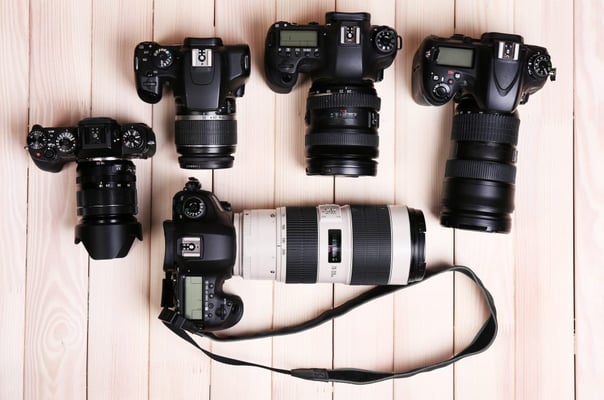
Credit: www.impactplus.com
Top Cameras For Beginners
Choosing the right camera is key for beginners who want to shoot great videos. The best cameras for beginners balance quality, ease of use, and price. This helps new videographers learn quickly without feeling overwhelmed. Cameras designed for beginners often include helpful features that simplify video recording. These features make the creative process fun and less stressful. Below, we explore some top choices for beginner-friendly video cameras.
Affordable Models With Great Video Quality
Many cameras offer good video quality without a high price tag. These models deliver clear images and smooth motion. They support full HD or even 4K recording. Beginners can capture professional-looking videos without spending too much. Affordable cameras usually include essential video tools. These help beginners improve their skills while keeping costs low.
User-friendly Interfaces
Simple menus and controls help beginners focus on shooting. Cameras with intuitive interfaces reduce confusion. Buttons and settings are easy to find and adjust. Touchscreens with clear icons make navigation quick. These features allow users to change settings fast. Beginners spend more time filming and less time learning complex controls.
Compact And Lightweight Designs
Light and small cameras are easier to carry and handle. Beginners can shoot for longer without feeling tired. Compact designs fit into bags or pockets easily. They allow quick setup and mobility during filming. Lightweight cameras help users stay flexible and creative. These designs suit beginners who want to shoot anywhere, anytime.
Best Cameras For Enthusiasts
Best cameras for enthusiasts offer a strong balance of quality and features. These cameras suit those who want more than basic video but are not professionals yet.
They provide advanced tools to improve video creation and allow creative control. Such cameras help users make videos with sharp images and smooth motion.
Advanced Video Features
Enthusiast cameras include features like slow motion and time-lapse. They often support manual controls for focus and exposure. This lets users adjust settings to fit different scenes and lighting. Some models offer built-in stabilization to reduce shaky video.
Interchangeable Lenses
Many enthusiast cameras allow lens changes for different video styles. Wide-angle lenses capture broad scenes, while zoom lenses focus on distant subjects. This flexibility helps create unique shots and improve video quality. Users can select lenses based on their shooting needs.
4k And Beyond
Most enthusiast cameras record in 4K resolution for clear, detailed videos. Some models also support higher frame rates at 4K for smooth motion. This level of detail works well for online videos and small productions. Shooting in 4K lets users crop or edit without losing quality.

Credit: www.dpreview.com
Professional Cameras For Filmmakers
Professional cameras for filmmakers offer the tools needed to create stunning videos. These cameras capture high-quality images with great detail and color. They help filmmakers tell stories with clear, sharp visuals.
Filmmakers choose these cameras to achieve a cinematic look. The right camera supports creative control and technical precision. It works well in various shooting conditions and settings.
Cinema-grade Video Quality
Professional cameras deliver cinema-grade video quality that meets industry standards. They capture images with high resolution and dynamic range. This means details show in both bright and dark areas. The colors appear natural and vivid. These cameras record in formats that allow easy editing and color grading.
Robust Build And Ergonomics
These cameras have a strong build to endure tough shooting environments. Their design supports long hours of use without discomfort. Ergonomic grips and buttons help filmmakers handle the camera easily. They balance well with lenses and accessories attached. This reduces strain during handheld shooting or mounting on rigs.
Customizable Settings
Professional cameras offer many customizable settings for creative control. Filmmakers can adjust focus, exposure, and frame rates quickly. They can save presets to switch between different looks fast. Custom menus and buttons speed up the workflow. This flexibility allows adapting to different scenes and lighting conditions.
Mirrorless Vs Dslr For Video
Choosing the best camera for video can be tricky. Mirrorless and DSLR cameras both have strong points. Each type offers unique features suited to different video needs. Understanding these differences helps pick the right camera for your projects.
Video Quality Comparison
Both mirrorless and DSLR cameras capture high-quality video. Mirrorless cameras often have newer sensors. This can mean better color and detail in videos. DSLRs still deliver sharp video and good dynamic range. Video quality depends on the model, not just the type.
Autofocus Performance
Autofocus is crucial for smooth video. Mirrorless cameras usually have faster and quieter autofocus. This is helpful for tracking moving subjects. DSLRs rely on slower autofocus during video recording. Manual focus is common with DSLRs for better control.
Portability And Flexibility
Mirrorless cameras are smaller and lighter. This makes them easy to carry and use for long shoots. DSLRs tend to be bulkier but offer more lens options. Both types can adapt to various shooting styles. Portability depends on camera size and lens choice.
Action Cameras And Compact Options
Action cameras and compact options are perfect for capturing video on the move. They fit easily in your hand or pocket. These cameras are made for adventure and everyday use. Small size does not mean low quality. Many offer sharp, clear videos. They suit travelers, athletes, and casual users alike.
Durability And Waterproof Features
Action cameras are tough. They resist drops, shocks, and rough use. Many come with waterproof cases or are waterproof by design. This allows shooting underwater or in rain. No need to worry about weather or accidents. Durability ensures long-lasting use in harsh conditions.
Mounting And Portability
These cameras are easy to carry anywhere. They have many mounting options. Attach them to helmets, bikes, or cars. This gives unique video angles during activities. Lightweight design makes them comfortable to wear. Portability means you can film anytime, anywhere.
Video Quality In Small Packages
Despite their size, these cameras offer good video quality. Many shoot in 4K or Full HD. They handle fast movements well without blur. Image stabilization keeps videos smooth. Small sensors still capture bright and clear footage. Perfect for creating exciting videos on the go.
Accessories For Better Video
Good accessories improve your video quality a lot. They help capture clear sound, steady shots, and perfect lighting. These tools make your videos look and sound professional. Choosing the right accessories is key to better video creation.
Microphones And Audio Gear
Clear sound matters more than many think. Built-in camera microphones catch background noise. External microphones give crisp and clear audio. Lavalier mics, shotgun mics, and wireless systems suit different needs. Good audio gear makes your video more engaging and easy to watch.
Gimbals And Stabilizers
Shaky videos distract viewers. Gimbals and stabilizers keep your camera steady. They allow smooth movement and professional-looking shots. Handheld gimbals work well for walking or action scenes. Using these tools makes your footage look polished and steady.
Lighting Solutions
Good lighting changes your video quality instantly. Natural light is nice but not always enough. LED lights and softboxes add brightness and reduce shadows. Portable lights help when shooting outdoors or in dark places. Proper lighting highlights details and improves video clarity.
Tips For Capturing Stunning Footage
Capturing stunning video footage requires more than just a good camera. Understanding key techniques helps create videos that stand out. Simple changes in framing, lighting, and settings can greatly improve your results. These tips will guide you through making your videos look professional and clear.
Framing And Composition
Start with a clean and balanced frame. Place your subject off-center using the rule of thirds. This makes the video more interesting to watch. Avoid cutting off important parts of your subject. Include some space in the direction your subject is looking or moving. Keep the background simple and free of distractions. Check the edges of the frame before recording.
Lighting Techniques
Good lighting is key for sharp and vibrant videos. Use natural light whenever possible. Position your subject facing a window or light source. Avoid harsh shadows by using soft, diffused light. If filming indoors, add extra lights to brighten dark areas. Keep the light behind the camera, not behind the subject. This prevents silhouettes and dark faces.
Camera Settings For Video
Set the camera to the right resolution and frame rate for your project. Choose 1080p or 4K for clear images. A frame rate of 24 or 30 fps works well for most videos. Adjust the ISO to keep the image bright but avoid grainy footage. Use manual focus to keep your subject sharp. Lock the white balance to keep colors consistent. Stabilize your camera using a tripod or gimbal to reduce shaking.

Credit: www.bprsum.co.id
Frequently Asked Questions
What Features Make A Camera Best For Video Recording?
The best video cameras have high resolution, good low-light performance, and smooth autofocus. They offer image stabilization and multiple frame rate options. Audio input options and user-friendly controls also enhance video quality and ease of use.
Which Camera Brands Are Top For Video Quality?
Sony, Canon, Panasonic, and Fujifilm lead in video camera quality. They provide excellent sensors, advanced video codecs, and versatile lenses. These brands support 4K or higher resolutions with professional features for vloggers and filmmakers.
How Important Is Image Stabilization In Video Cameras?
Image stabilization is crucial for smooth, shake-free videos. It reduces blur caused by hand movements during recording. Cameras with optical or in-body stabilization deliver professional-looking footage without needing extra equipment.
Can Mirrorless Cameras Outperform Dslrs For Video?
Yes, mirrorless cameras often excel in video due to compact size and advanced autofocus. They usually offer better video specs, such as 4K recording and higher frame rates, making them ideal for videographers.
Conclusion
Choosing the best camera for video depends on your needs and budget. Focus on features like image quality, ease of use, and durability. A good camera helps tell your story clearly. Remember, practice improves your shooting skills more than any gear.
Take time to learn your camera well. This way, you create videos that really stand out. Keep experimenting and enjoy the process. Your best camera is the one you use often.