Are you ready to capture stunning photos that truly stand out? Choosing the right camera can make all the difference in turning your vision into reality.
Whether you’re just starting out or looking to upgrade, finding the best camera for your photography needs can feel overwhelming. But don’t worry—this guide breaks down the top options that match your style and skill level. Keep reading, and soon you’ll be snapping pictures with confidence and creativity like never before.
Top Camera Types
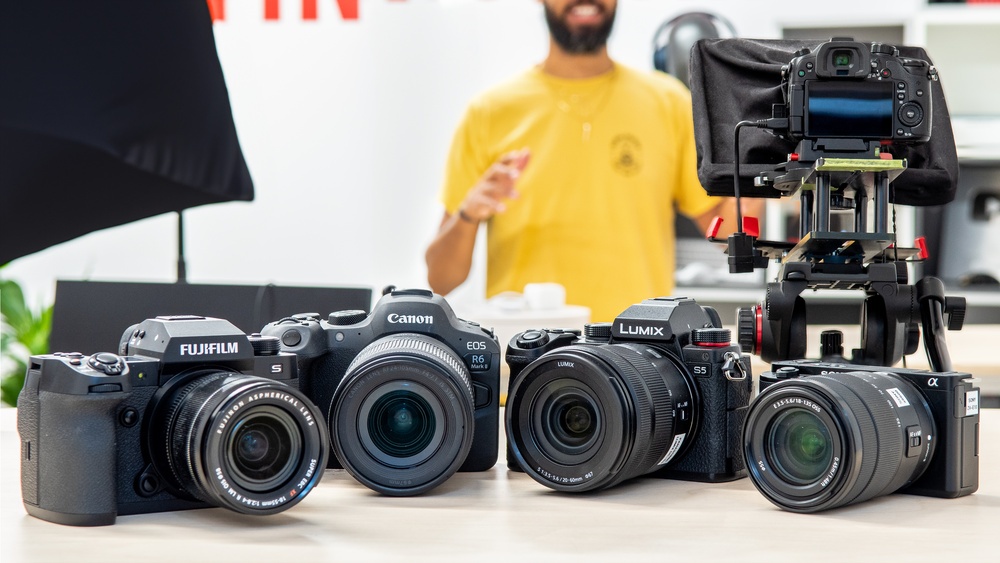
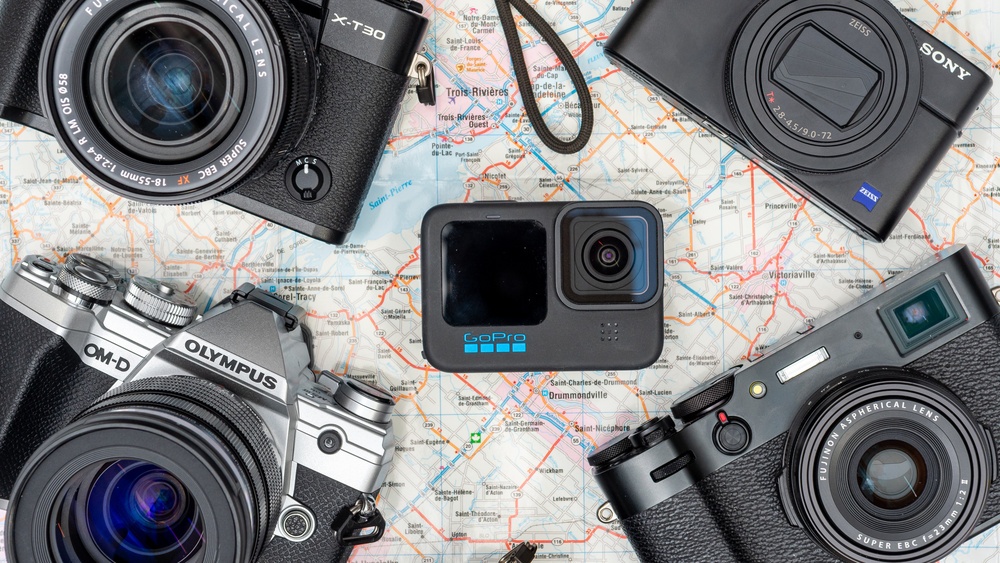
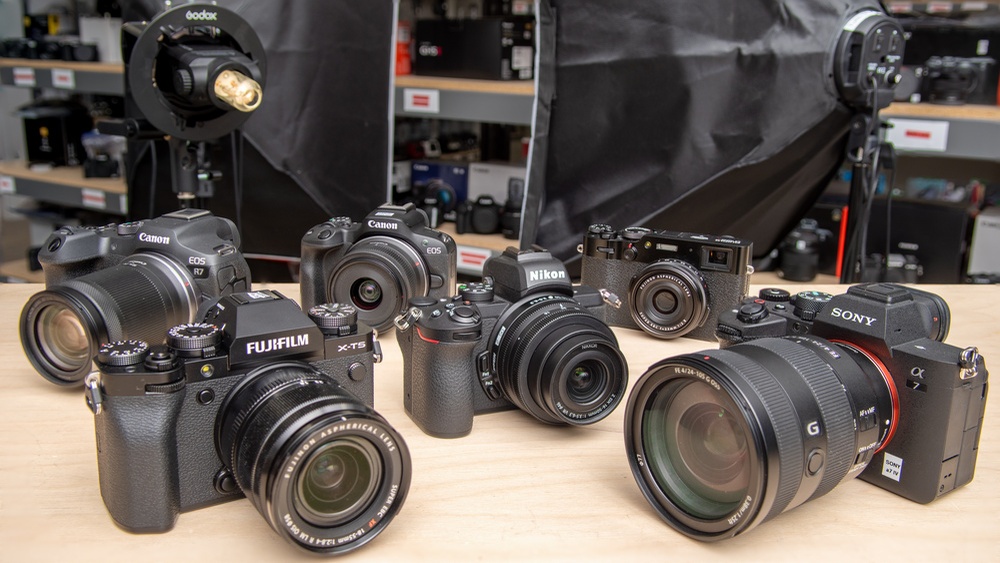
Cameras come in different types, each designed for a specific use. Knowing the main camera types helps you pick the right one. Some cameras suit beginners, while others fit professional photographers. This guide covers the four top camera types for photography.
Dslr Cameras
DSLR cameras use mirrors to show the image through the lens. They offer high image quality and fast performance. DSLR cameras have many lens options. They work well in low light and give full control over settings. These cameras are popular with professionals and serious hobbyists.
Mirrorless Cameras
Mirrorless cameras are smaller and lighter than DSLRs. They do not have a mirror inside. Instead, they use a digital screen to show the image. Mirrorless cameras offer fast shooting speeds and good video quality. They have many lenses and grow popular for travel and street photography.
Compact Cameras
Compact cameras, also called point-and-shoot cameras, are small and easy to carry. They have fixed lenses and simple controls. Compact cameras suit beginners and casual photographers. They work well for quick shots and everyday use. Many models include zoom lenses and basic video features.
Action Cameras
Action cameras are tiny and tough. They fit well on helmets, bikes, and other gear. These cameras capture wide-angle shots and smooth videos. They are waterproof and shockproof. Action cameras are perfect for sports and outdoor adventures.
Key Features To Consider
Choosing the right camera for photography means knowing what matters most. Some features have a big effect on the pictures you take. Understanding these key features helps you pick a camera that fits your needs and style.
Sensor Size And Resolution
Sensor size affects the quality of your photos. Larger sensors capture more light and detail. Resolution tells how many pixels the sensor has. Higher resolution means sharper images and bigger prints. Balance size and resolution for the best results.
Lens Compatibility
A camera is only as good as its lenses. Check which lenses fit your camera body. More lens options give you more creativity. Some cameras work with many brands, offering wide choices. Think about the types of photos you want to take.
Autofocus Performance
Fast and accurate autofocus helps catch sharp shots. This is key for moving subjects or quick moments. Look for cameras with many autofocus points. Good autofocus improves your chances of clear, focused pictures.
Low Light Capabilities
Good low light performance means better photos in dim places. Sensors that handle noise well make clearer images. Look for cameras with high ISO ranges. This helps in indoor, night, or sunset photography.
Image Stabilization
Image stabilization reduces blur from shaky hands. It helps you take sharp photos without a tripod. Some cameras have built-in stabilization in the body. Others rely on stabilized lenses. This feature is useful for handheld shots and videos.
Best Cameras For Beginners
Choosing the right camera is key for beginners in photography. A good starter camera helps learn skills without feeling lost. It should be easy to use and not too expensive. Many cameras now come with features made for new users. These features help beginners take better photos quickly and enjoy the process.
Affordable Options
Beginner cameras often fit small budgets. Affordable models give good image quality without high cost. Brands like Canon, Nikon, and Sony offer budget-friendly cameras. These cameras balance price and performance well. They allow beginners to explore photography without big spending.
User-friendly Interfaces
Simple menus and controls make cameras easy to operate. Clear buttons and touchscreens help beginners adjust settings fast. User-friendly interfaces reduce confusion and frustration. Beginners can focus on taking photos instead of figuring out controls. This ease improves learning and confidence behind the camera.
Built-in Tutorials
Some cameras include step-by-step guides inside the device. These tutorials explain how to use settings and modes. They help beginners understand photography basics right on the camera. Built-in lessons encourage practice and experimentation. This feature turns the camera into a helpful teacher for new users.
Credit: vicentetorns.com
Top Cameras For Professionals
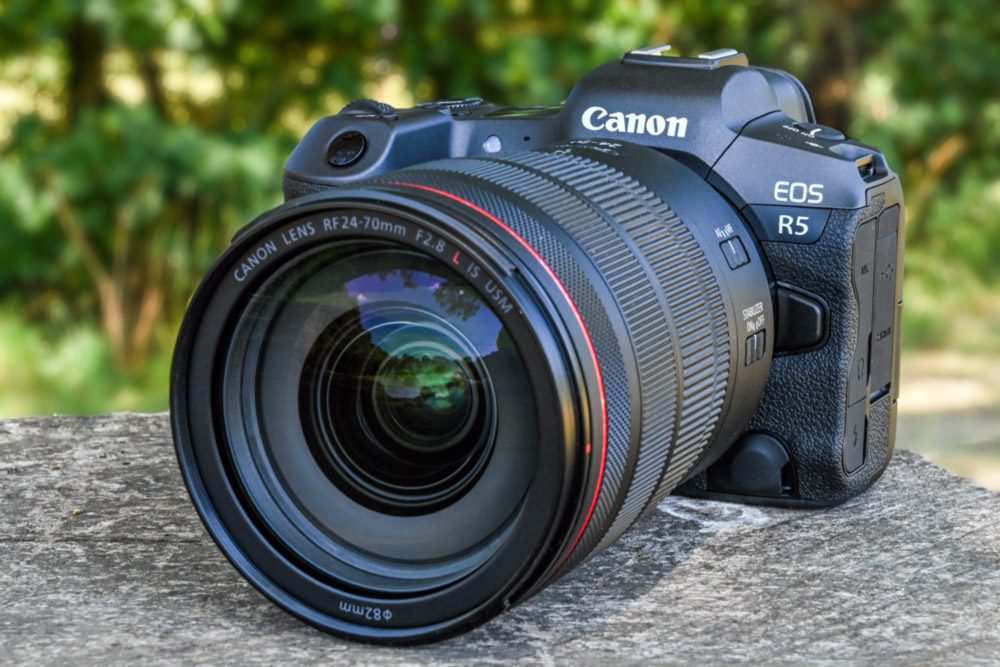
Professional photographers need cameras that perform well in many situations. Their tools must offer sharp images, quick focus, and durability. These cameras help capture moments with clarity and precision. Choosing the right camera can improve photo quality and workflow.
Here are some top cameras designed for professionals. They combine advanced features and solid construction. Each model supports serious photographers in their craft.
High Resolution Models
High resolution cameras capture more detail in every photo. They are perfect for large prints and cropping. These cameras often have sensors with 40 megapixels or more. More pixels mean clearer images and rich textures. Professionals use them for landscapes, portraits, and studio work.
Advanced Autofocus Systems
Fast and precise autofocus is crucial for sharp photos. Professional cameras have many focus points spread across the frame. They track moving subjects accurately, even in low light. This helps capture action and wildlife shots with ease. Reliable autofocus saves time and reduces missed moments.
Robust Build Quality
Strong camera bodies withstand tough conditions. Many professional models are weather-sealed to resist dust and moisture. They use durable materials like magnesium alloy. This ensures long-lasting performance on shoots outdoors or in rough environments. A sturdy camera body supports heavy lenses and accessories.
Best Cameras For Travel
Travel photography needs cameras that are easy to carry and tough enough to handle different places. Choosing the right camera can make your travel photos better and your trips more fun. Cameras designed for travel balance size, strength, and power. They help capture moments clearly without adding weight to your bag.
Lightweight And Compact
Small and light cameras are easier to take everywhere. They fit well in backpacks or pockets. This means less burden during long walks or hikes. Compact cameras also allow quick shots without much setup. Perfect for capturing spontaneous travel moments.
Durability And Weather Sealing
Travel can bring rain, dust, and rough handling. Cameras with strong bodies and weather sealing resist these problems. They continue working even in tough conditions. This makes them reliable for outdoor adventures and unexpected weather changes.
Battery Life
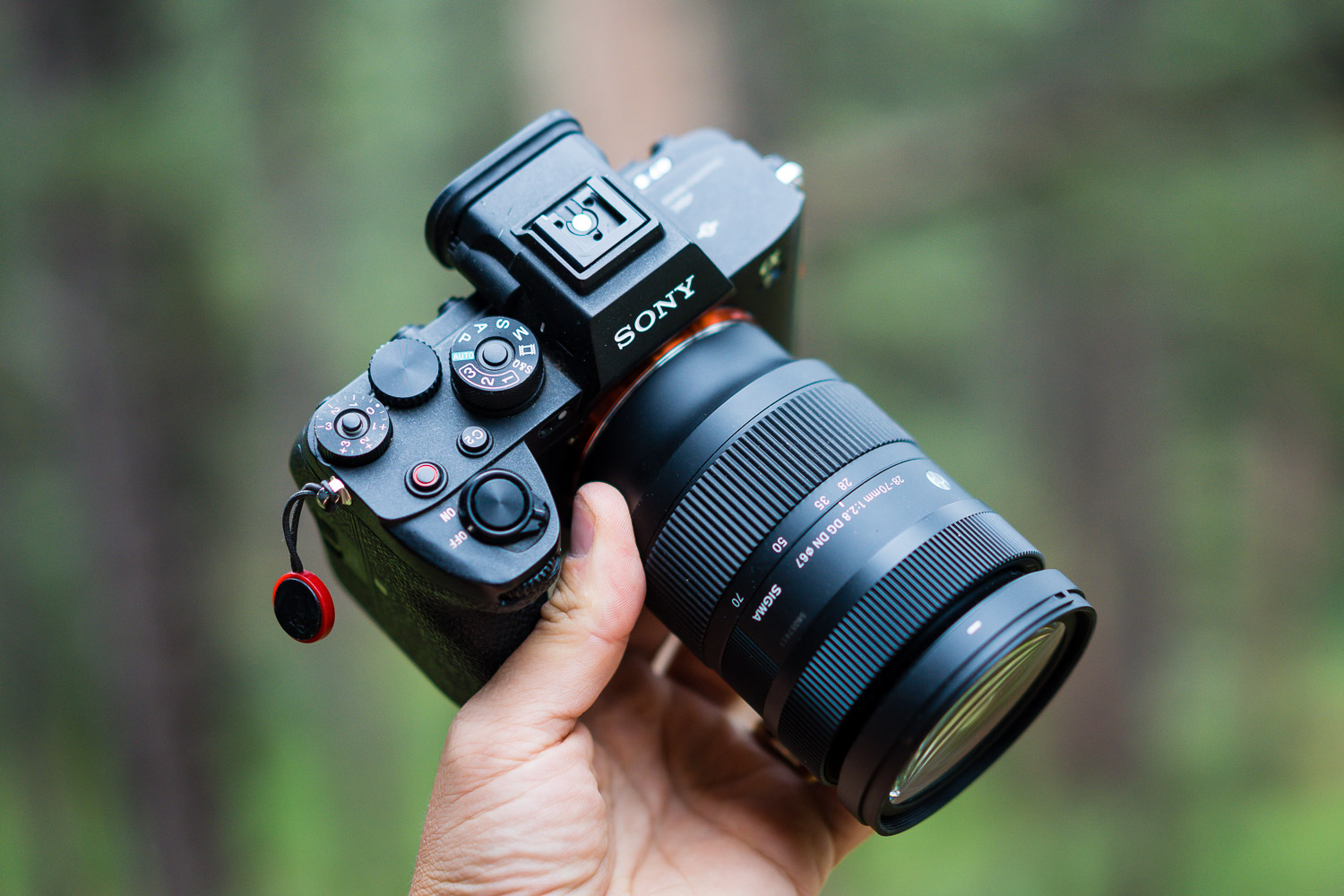
Long battery life means fewer stops to recharge. This is important when outlets are rare. Cameras with good battery power keep you shooting through long days. Some models also support fast charging or extra batteries for backup.
Credit: www.bergreenphotography.com
Specialized Cameras For Unique Shots
Specialized cameras help capture unique and creative photos. These cameras are built for specific styles and effects. They allow photographers to explore new perspectives and details.
Choosing the right specialized camera can make a big difference. It helps capture shots that standard cameras cannot. Let’s explore some of the best options for unique photography.
Wide-angle Cameras
Wide-angle cameras capture a broader view. They are perfect for landscapes and architecture. These cameras fit more into a single frame. This helps show vast scenes or crowded places clearly.
They reduce distortion while keeping the edges sharp. Photographers use them to create a sense of space. Wide-angle lenses also add depth to photos.
Telephoto Cameras
Telephoto cameras zoom in on distant subjects. They are ideal for wildlife and sports photography. These cameras bring far objects close without moving. This helps capture details from a safe distance.
Telephoto lenses also create a blurred background effect. This makes the subject stand out. They are great for portraits and action shots.
360-degree Cameras
360-degree cameras capture all angles at once. They create immersive photos and videos. These cameras are used for virtual tours and creative projects. Viewers can explore the scene by moving the image.
They offer a unique way to share experiences. Perfect for travel and event photography. Easy to use and highly engaging for audiences.
Accessories To Enhance Photography
Accessories play a key role in improving photography. They help capture better images and make the process easier. Choosing the right accessories can enhance creativity and image quality. Here are some essential accessories every photographer should consider.
Lenses And Filters
Lenses change how your photos look. Wide-angle lenses capture more of the scene. Telephoto lenses bring distant objects closer. Prime lenses offer sharp images and better light control. Filters protect the lens and alter light. Polarizing filters reduce glare from water and glass. Neutral density filters help shoot in bright light by lowering exposure.
Tripods And Stabilizers
Tripods hold the camera steady for sharp photos. They are useful in low light and long exposures. Stabilizers help smooth out camera movement in videos. Handheld gimbals allow fluid motion shots. Both tools reduce blur and improve focus. They make shooting more comfortable and precise.
External Flashes
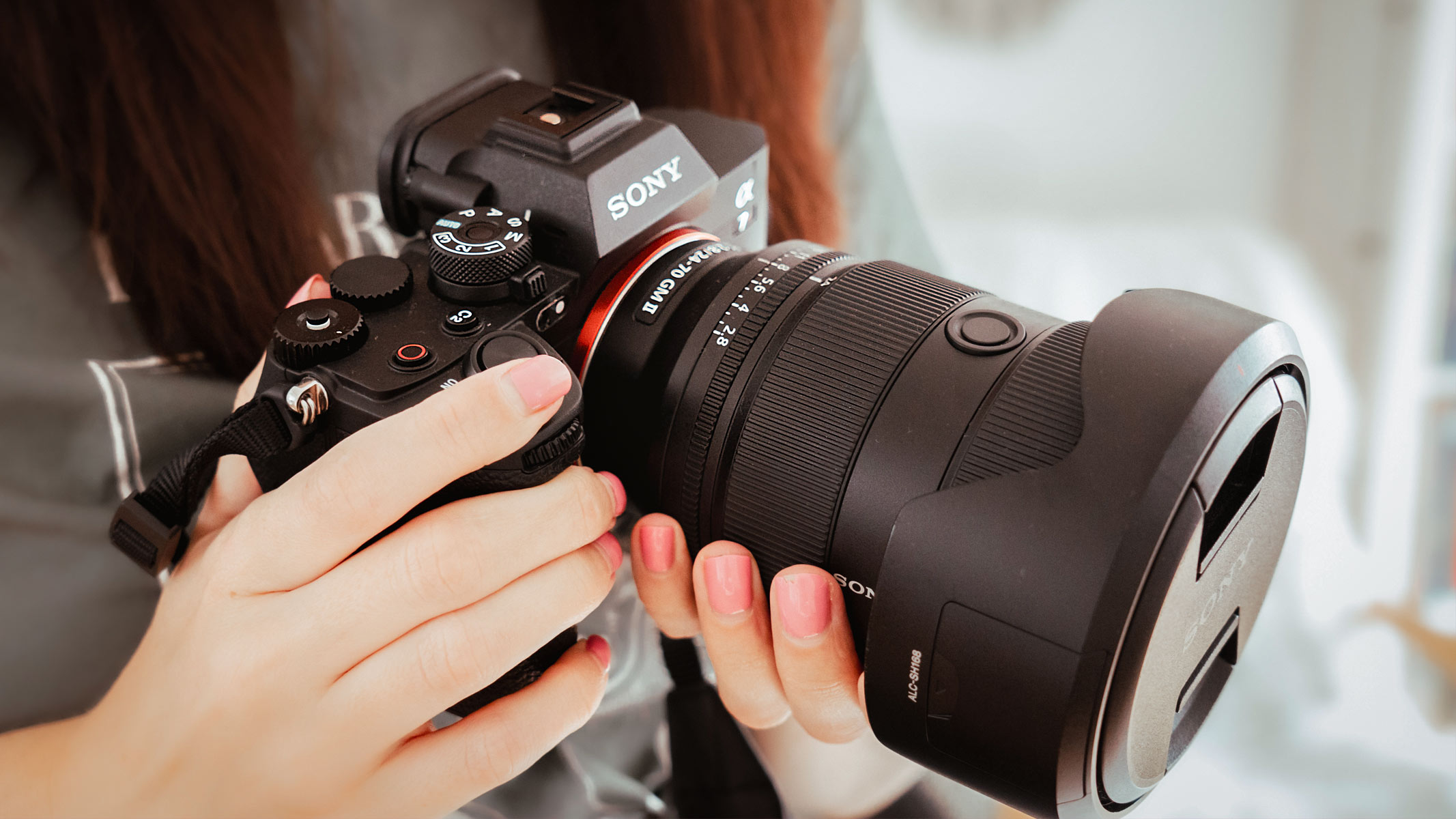
External flashes provide more light than built-in flashes. They brighten subjects evenly and reduce harsh shadows. Many models can bounce light off walls or ceilings. This creates soft and natural lighting. External flashes also allow better control over flash power and direction. Ideal for portraits and indoor photography.
Credit: www.space.com
Tips For Choosing The Right Camera
Choosing the right camera is a key step in your photography journey. The right camera fits your needs and helps you take better photos. It should match how you like to shoot and your budget. Testing cameras before buying can also save you trouble later.
Focus on what matters most to you. Think about your style, how much money you want to spend, and your chance to try cameras firsthand.
Assessing Your Photography Style
Think about the types of photos you want to take. Are you into landscapes, portraits, or action shots? Different styles need different camera features. For example, fast autofocus helps with sports. High resolution suits detailed landscapes. Knowing your style guides your camera choice.
Budget Considerations
Set a clear budget before you start shopping. Cameras come in many price ranges. More expensive is not always better for beginners. Decide how much you want to spend on the camera and lenses. Remember to include extra costs like memory cards and bags.
Trying Before Buying
Handle cameras in a store or at a friend’s place. See how the camera feels in your hands. Check if the buttons and menus are easy to use. Try taking test shots to check image quality. Hands-on experience helps avoid surprises after purchase.
Frequently Asked Questions
What Are The Best Cameras For Beginner Photographers?
The best cameras for beginners are easy to use and affordable. Look for models with automatic settings and good image quality. DSLRs and mirrorless cameras like Canon EOS Rebel or Sony Alpha series are popular choices for new photographers.
Which Camera Type Is Best For Professional Photography?
Professional photographers often prefer full-frame DSLRs or mirrorless cameras. These offer superior image quality, better low-light performance, and advanced features. Brands like Nikon, Canon, and Sony provide excellent professional-grade cameras.
How To Choose A Camera For Travel Photography?
For travel, choose lightweight cameras with good battery life and versatile lenses. Mirrorless cameras and compact point-and-shoots are ideal. Features like image stabilization and Wi-Fi connectivity enhance travel photography experiences.
Are Mirrorless Cameras Better Than Dslrs For Photography?
Mirrorless cameras are generally lighter and more compact than DSLRs. They offer fast autofocus and high video quality. However, DSLRs have longer battery life and an extensive lens selection, making both suitable depending on needs.
Conclusion
Choosing the best camera depends on your needs and budget. Each camera offers unique features for different styles. Think about what you want to capture most. Ease of use and image quality matter a lot. Take time to compare models before buying.
Good gear helps you take better photos. Enjoy the process of learning and creating. Your perfect camera is out there waiting. Start your photography journey with confidence today.