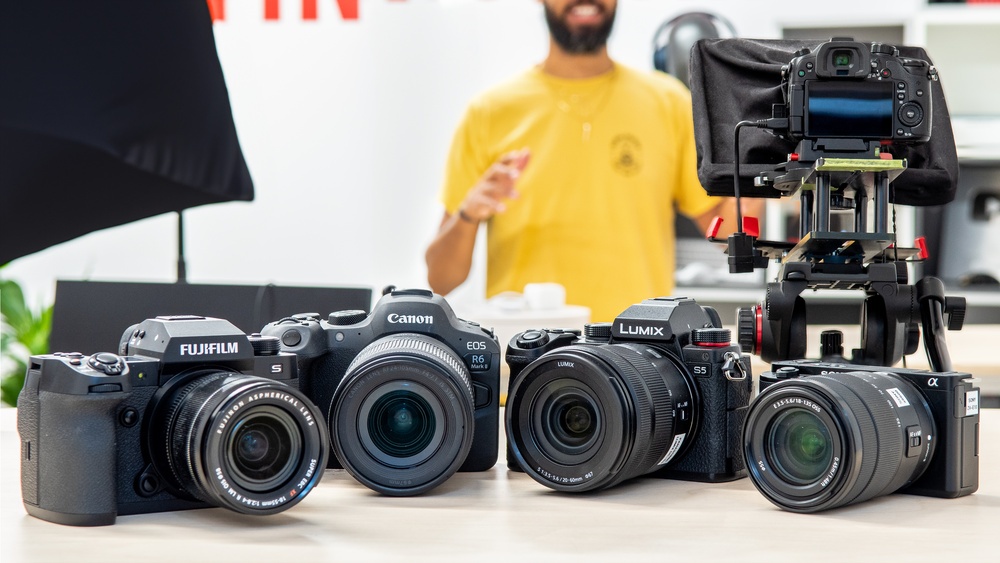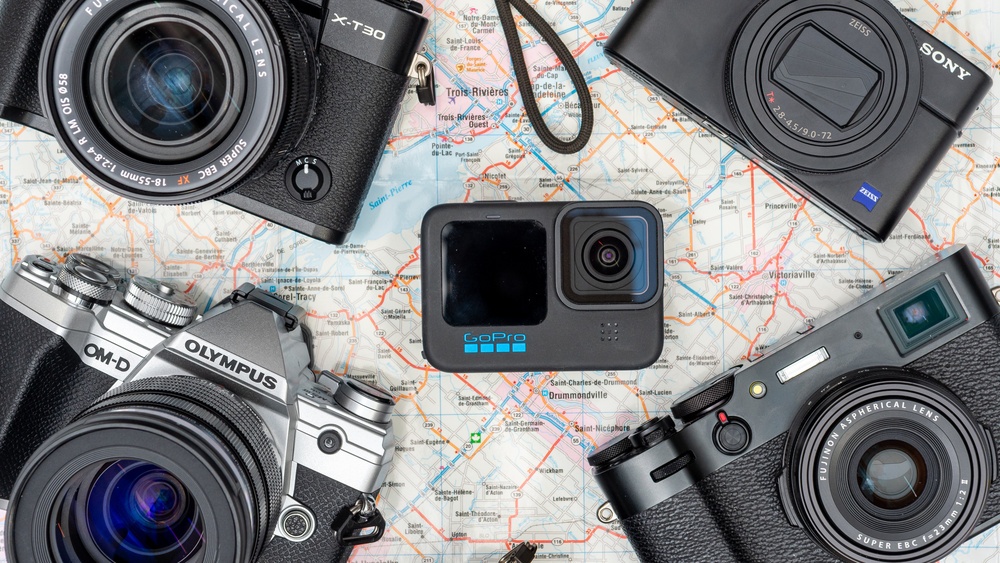
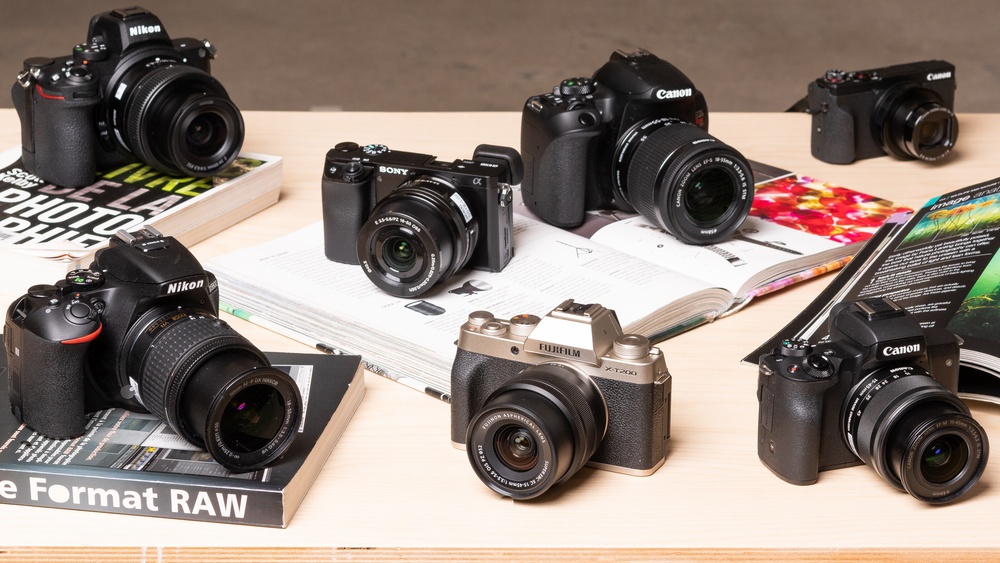
Are you ready to capture stunning photos but don’t know where to start? Choosing the best digital camera for beginners can feel overwhelming with so many options out there.
You want a camera that’s easy to use, fits your budget, and helps you take amazing shots right away. This guide is made just for you. Keep reading to discover simple tips and top camera picks that will make your photography journey exciting and effortless.
Your perfect camera is closer than you think!
Choosing Your First Digital Camera
Choosing your first digital camera can feel confusing. Many options exist, each with different features and prices. The right choice depends on your needs and skill level. Understanding basic camera types and important features helps make a good decision. This guide breaks down key points to consider before buying.
Key Features To Look For
Start with image quality. Look for a camera with a good sensor size. Bigger sensors capture more light and detail. Check the camera’s megapixels. More megapixels mean better image resolution. Consider the lens options. Some cameras have fixed lenses, others allow lens changes.
Look for user-friendly controls. Easy buttons and menus help beginners learn fast. Image stabilization is helpful to reduce blur from shaky hands. Also, check for video recording if you want to shoot videos. Battery life matters. Longer battery time means more shooting without recharge.
Types Of Digital Cameras
Compact cameras are small and easy to carry. They suit casual shooting and travel. Mirrorless cameras offer good image quality and interchangeable lenses. They are lighter than DSLR cameras. DSLR cameras provide excellent image quality and many lens choices. They are bulkier but ideal for serious photography. Bridge cameras sit between compact and DSLR. They have more zoom but fewer lens options.
Budget Considerations
Set a budget before shopping. Beginner cameras range from affordable to mid-price. Remember, a higher price doesn’t always mean better for beginners. Focus on features that match your needs. Include extra costs like memory cards and camera bags. Consider buying used or older models to save money. Look for good warranties and customer support as well.
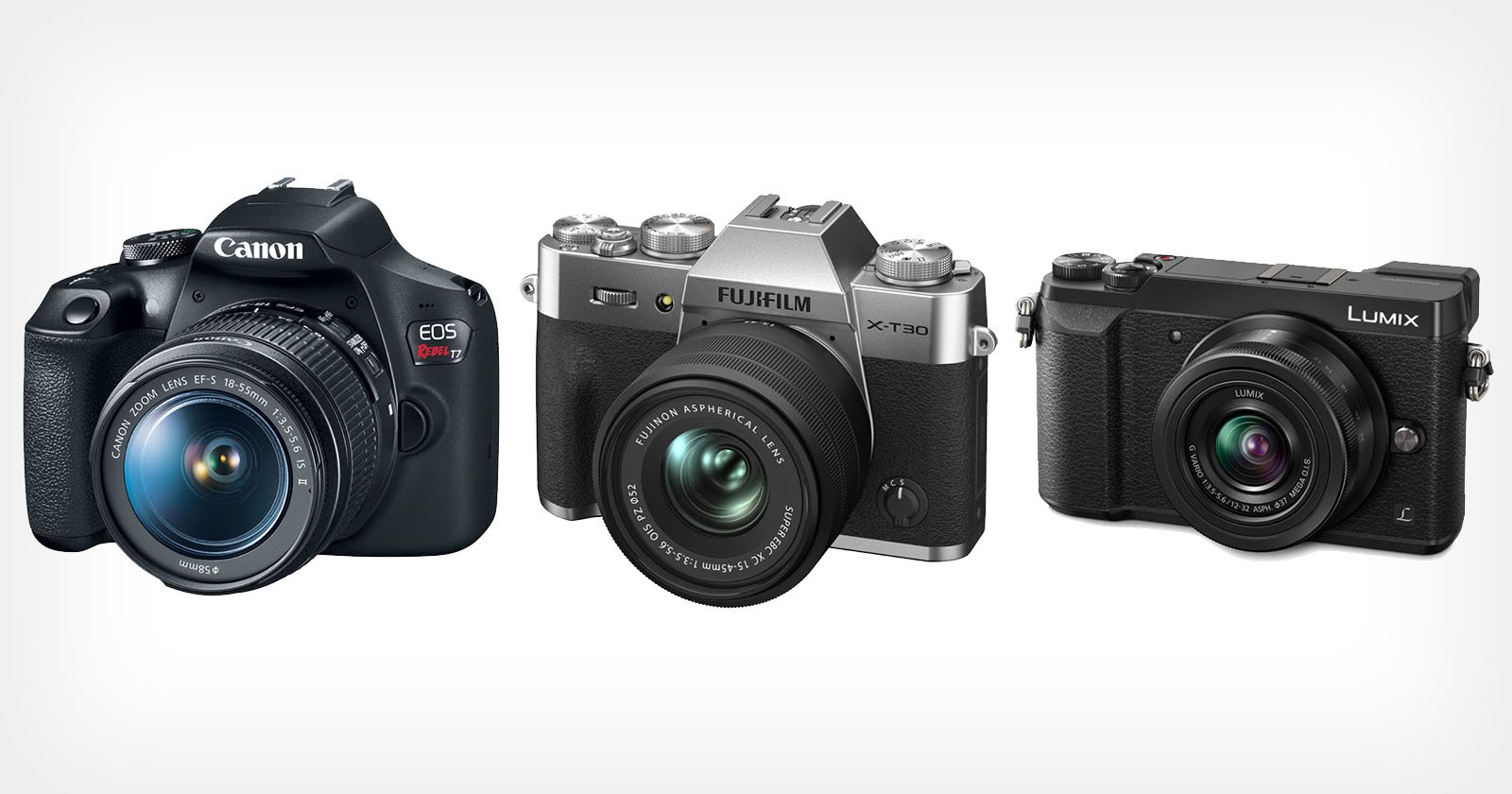
Credit: albanycomicbookshow.com
Top Digital Cameras For Beginners
Choosing the right camera can be hard for beginners. Cameras come in many types and sizes. Each type offers different features and ease of use. Some are small and simple. Others have advanced settings but stay easy for new users. This guide lists top digital cameras for beginners. It helps you find the perfect camera to start your photo journey.
Focus on what fits your style and needs. Start with easy controls and good image quality. The right camera makes learning fun and rewarding. Explore the best compact, mirrorless, and DSLR cameras below.
Best Compact Cameras
Compact cameras are small and light. They fit in a pocket or small bag. Perfect for travel and daily use. These cameras have automatic settings to help beginners. No need to adjust many buttons. They offer good zoom and clear pictures. Great choice if you want simple and quick shots.
Best Mirrorless Cameras
Mirrorless cameras are small but powerful. They have larger sensors than compact cameras. This means better photo quality. These cameras allow manual control as you learn. They use interchangeable lenses for different styles. Ideal for beginners who want to grow their skills. They balance ease of use with advanced features.
Best Dslr Cameras
DSLR cameras are bigger and more robust. They provide excellent image quality and speed. DSLRs have many settings and lens options. Beginners can start with auto mode and explore manual later. These cameras suit those serious about photography. They offer long-term use and creative control.
Comparing Camera Specs
Choosing the best digital camera for beginners involves comparing camera specs. Specs help you understand what each camera offers. Knowing these details makes it easier to pick a camera that fits your needs and skills.
Focus on the important features. Some specs affect photo quality, while others affect how easy the camera is to use. Lens options also matter for different types of photography.
Image Quality Factors
Image quality depends on sensor size and resolution. Larger sensors usually capture more light. This makes photos clearer and less noisy in low light.
Resolution shows how many pixels the camera can capture. More pixels mean more detail, but it is not the only factor. The camera’s processor also affects photo sharpness and color.
Ease Of Use
Beginners need cameras that are simple to operate. Look for intuitive menus and easy buttons. Automatic modes help take good pictures without much effort.
Weight and size matter. A lightweight camera is easier to carry and hold steady. A clear viewfinder or screen helps compose shots better.
Lens Options
Lens choices affect what photos you can take. Some cameras have fixed lenses, while others support interchangeable lenses.
Interchangeable lenses offer more flexibility. You can use wide-angle lenses for landscapes or zoom lenses for distant subjects. Check which lenses are available for the camera model.
Tips For Taking Stunning Photos
Taking stunning photos requires more than just a good camera. It needs practice and some simple tips. These tips help beginners capture clear, beautiful images. Focus on learning basic techniques, understanding your camera settings, and using light and composition well. Each step improves your photo skills and results.
Basic Photography Techniques
Hold your camera steady to avoid blurry photos. Use both hands and keep your elbows close to your body. Practice framing your subject well. Try different angles and distances. Take multiple shots to find the best one. Keep your focus sharp by tapping on your subject on the screen or adjusting the focus ring.
Using Camera Settings
Learn the main camera settings like ISO, shutter speed, and aperture. ISO controls the camera’s sensitivity to light. Use low ISO for bright places and higher ISO for dark scenes. Shutter speed controls how long the camera’s sensor is exposed to light. Fast shutter speed freezes motion, slow speed creates blur. Aperture controls how much light enters and affects the background blur. Experiment with these settings to see what works best.
Lighting And Composition
Good light makes photos look better. Use natural light as much as possible. Avoid harsh midday sun that creates strong shadows. Early morning or late afternoon light is soft and warm. Compose your photo by following the rule of thirds. Imagine your frame divided into nine parts and place the subject on the lines or intersections. Look for simple backgrounds that do not distract from the subject. Fill the frame or leave space to add balance.
Accessories To Enhance Your Photography
Choosing the best digital camera is just the first step. Accessories play a big role in improving your photos. They help you get better shots and protect your gear. Small tools can make a big difference in your photography experience.
Essential Camera Gear
Start with a good camera bag to keep your equipment safe. A lens cleaning kit helps keep your lens clear of dust and smudges. Extra batteries ensure you never run out of power during shoots. A simple remote shutter release can reduce camera shake for sharper images.
Tripods And Stabilizers
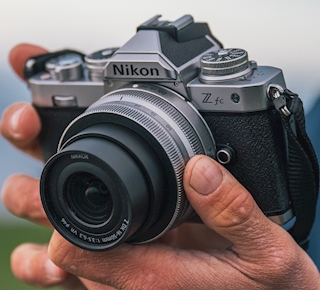
Tripods are great for steady shots, especially in low light. They help you frame your photos perfectly. A lightweight tripod is easy to carry for outdoor use. Stabilizers or gimbals are useful for smooth video recording. They reduce unwanted movement and make your footage look professional.
Memory Cards And Storage
Choose memory cards with fast write speeds for quick photo saving. Always carry extra memory cards to avoid running out of space. Use a reliable external hard drive to back up your photos. Cloud storage is another safe option to keep your files secure. Organizing your storage helps you find photos easily later.
Credit: www.jessops.com
Maintaining Your Camera
Maintaining your camera is important for long-lasting performance. Proper care helps your camera work well over time. It also keeps your photos clear and sharp. Simple habits can protect your investment and improve your photography experience.
Cleaning And Care
Keep the lens clean for clear pictures. Use a soft cloth or lens brush to remove dust. Avoid touching the lens with your fingers. Clean the camera body with a dry cloth. Store your camera in a dry place to prevent moisture damage. Regular cleaning prevents dirt buildup that can harm your camera.
Protecting Your Equipment
Use a camera bag for safe storage and transport. A padded bag protects from bumps and drops. Use lens caps and body caps when not in use. Avoid exposing your camera to extreme weather conditions. Keep it away from sand and water. Proper protection extends the life of your camera.
Software For Editing Photos
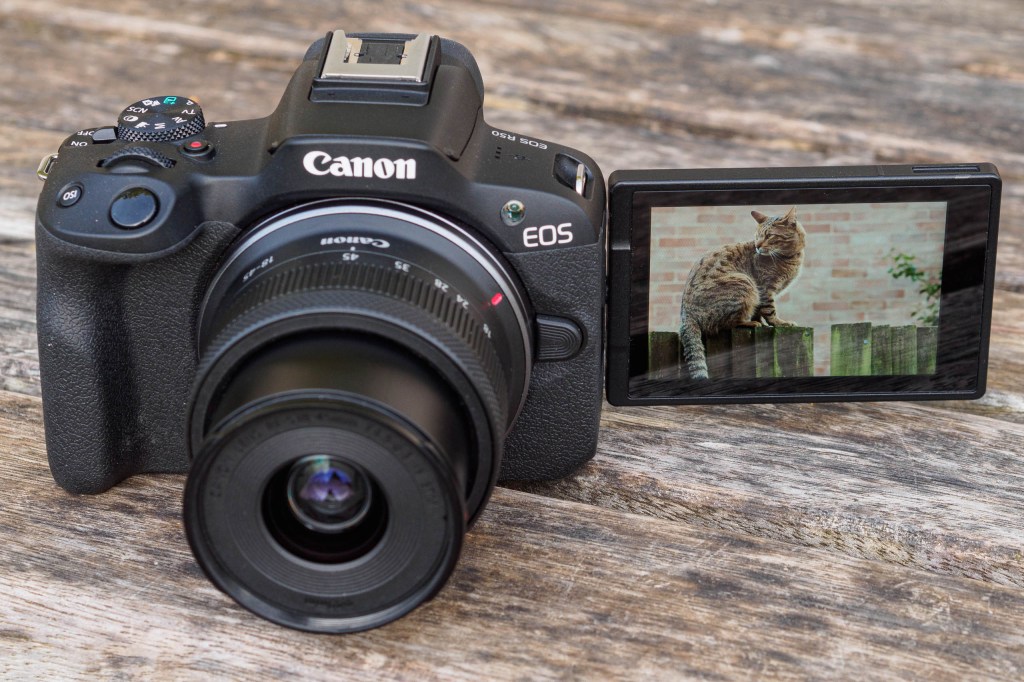
Photo editing software improves your pictures after shooting. Basic tools help adjust brightness, contrast, and colors. Many free and easy options suit beginners. Editing makes your photos look more vibrant and professional. Choose software that is user-friendly and matches your needs.
Credit: amateurphotographer.com
Frequently Asked Questions
What Features Should Beginners Look For In A Digital Camera?
Beginners should seek easy-to-use controls, autofocus, image stabilization, and good battery life. Compact size and affordability also matter. These features help capture quality photos without complexity, aiding skill development.
Which Camera Type Is Best For Beginner Photographers?
Mirrorless and DSLR cameras suit beginners well. Mirrorless cameras are lightweight and versatile. DSLRs offer robust controls and lens options. Both provide excellent image quality and room to grow skills.
How Much Should Beginners Spend On A Digital Camera?
Beginners should budget between $300 and $700 for a quality starter camera. This range balances affordability with essential features. It ensures decent image quality and upgrade options without overspending.
Are Smartphone Cameras Enough Compared To Beginner Digital Cameras?
Smartphones are convenient but lack advanced features like optical zoom and manual settings. Beginner digital cameras provide better image quality and control. They offer creative flexibility essential for learning photography basics.
Conclusion
Choosing the right digital camera helps beginners enjoy photography more. Start with a camera that feels simple and fits your budget. Practice often to improve your skills and confidence. Remember, the best camera is the one you use regularly. Take time to explore settings and features step by step.
Keep your goals clear and focus on learning basics first. Soon, capturing great photos will become easier and fun. Your journey in photography starts with the right choice today.