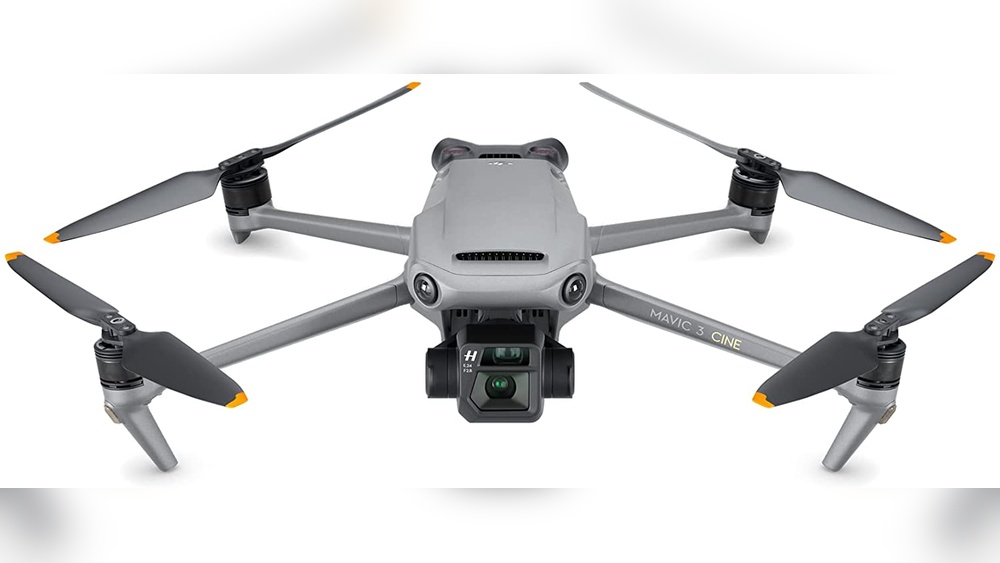
Looking for the best drone for commercial use? Whether you run a construction business, manage agricultural fields, or provide aerial photography services, choosing the right drone can make all the difference.
You want a tool that’s reliable, easy to operate, and packed with features that boost your productivity. But with so many options on the market, how do you pick the perfect one for your needs? Keep reading, and you’ll discover which drones stand out, helping you make a smart choice that saves time, cuts costs, and takes your work to the next level.
Your perfect commercial drone is closer than you think.
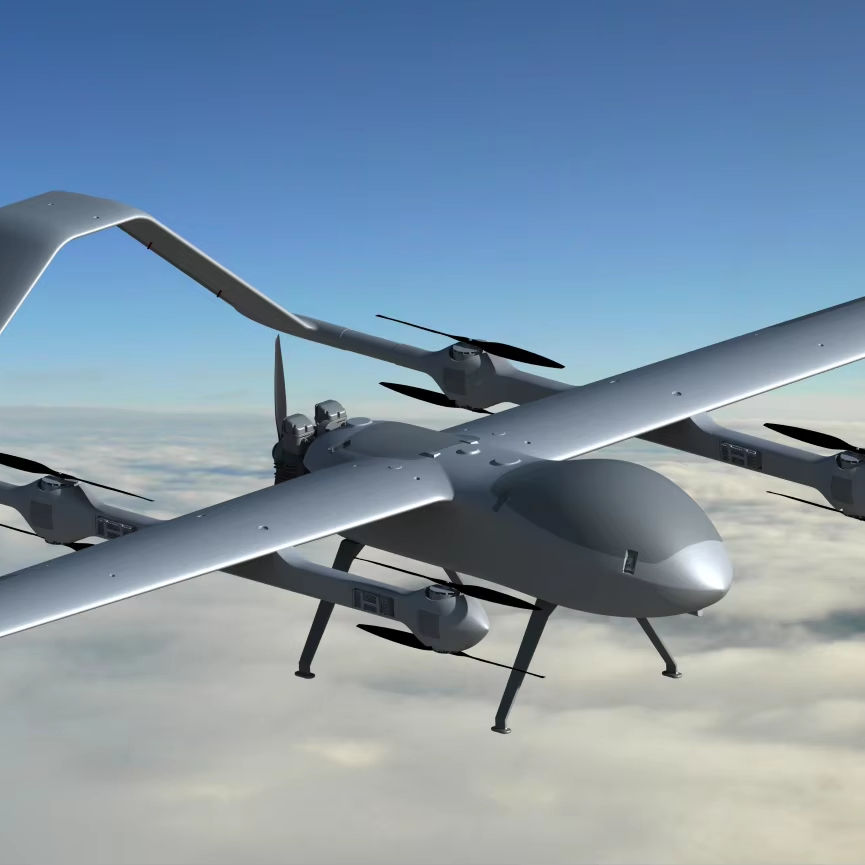
Credit: www.ecoparkcampogrande.com.br
Key Features For Commercial Drones
Choosing the right commercial drone depends on several key features. These features help drones perform tasks efficiently and safely in different industries. Understanding these features makes it easier to pick a drone that fits business needs.
Each feature plays an important role in how well a drone works for commercial use. From flight time to control, these details affect the drone’s performance and value.
Flight Time And Battery Life
Long flight time lets drones cover more area in one trip. Strong battery life reduces downtime for recharging. Commercial drones need batteries that last at least 20 to 30 minutes. Quick battery swaps or charging options add flexibility for continuous work.
Payload Capacity
Payload capacity means how much weight the drone can carry. This includes cameras, sensors, or delivery packages. A higher payload capacity allows drones to handle bigger or heavier tools. It is crucial for tasks like mapping, inspections, and deliveries.
Camera And Sensor Quality
High-quality cameras capture clear images and videos. Sensors detect obstacles and help with navigation. Good camera resolution and sensor accuracy improve data collection. This is vital for agriculture, construction, and security uses.
Durability And Weather Resistance
Commercial drones must withstand tough environments. They should resist dust, rain, and wind. Durable materials protect the drone’s parts from damage. Weather resistance ensures drones work reliably outdoors in many conditions.
Ease Of Use And Control
Simple controls allow operators to fly drones smoothly. User-friendly software helps in planning missions and monitoring flights. Easy-to-use drones reduce training time and mistakes. Good control systems improve safety and efficiency on the job.
Top Drones For Agriculture
Agriculture benefits greatly from drone technology. Farmers save time and increase yields. Drones help monitor crops and apply treatments precisely. This reduces waste and improves farm health.
Drones designed for farming come in many types. Each type focuses on a specific task. Choosing the right drone depends on the farm’s needs and size.
Crop Monitoring Models
Crop monitoring drones capture detailed images of fields. They use cameras and sensors to check plant health. These drones spot issues like pests, diseases, and water stress early. Farmers get accurate data without walking the fields. This helps make fast decisions to protect crops.
Models like DJI Phantom 4 RTK and Parrot Bluegrass are popular. They offer high-resolution images and easy data processing. These drones cover large areas quickly. Their flight time and GPS accuracy make them reliable tools for farmers.
Spraying And Seeding Drones
Spraying drones apply fertilizers, pesticides, or herbicides evenly. They reduce chemical use and lower labor costs. These drones can spray hard-to-reach areas safely and quickly. Some models also plant seeds, saving time during planting season.
Examples include the DJI Agras series and Yamaha RMAX. They carry heavy loads and have strong spraying systems. Their precise control prevents overuse of chemicals. These drones improve crop growth and protect the environment.
Best Drones For Construction
Drones have become important tools in construction. They help teams save time and cut costs. These flying devices give clear views of sites from above. This helps workers plan better and track progress easily.
Choosing the right drone depends on the task. Some drones are best for mapping large areas. Others work well for close inspections of buildings and machines. Here are the best drones for construction work.
Surveying And Mapping Drones
Surveying drones capture detailed images of construction sites. They create maps and 3D models quickly. This helps teams measure land and plan layouts. These drones use GPS and special cameras for accuracy.
They fly over large areas, saving hours of manual work. Data from these drones show site changes over time. This helps detect problems early and avoid delays. Surveying drones improve project planning and management.
Inspection And Monitoring Tools
Inspection drones check hard-to-reach places safely. They fly close to structures to spot cracks or damage. Cameras on these drones send live video to operators. This speeds up inspections and improves safety.
Monitoring drones track equipment and materials on site. They help managers see if work is on schedule. Using drones reduces the need for workers to climb or use scaffolds. This lowers risks and saves time.
Drones For Delivery Services
Drones are changing how delivery services operate. They offer fast, efficient, and contactless delivery options. Businesses use drones to deliver small packages, food, and medical supplies. These flying machines reduce delivery time and reach hard places easily.
Choosing the right drone for delivery needs careful thought. Not all drones can carry heavy loads or fly long distances. Understanding key features helps pick the best drone for your delivery service.
Payload And Range Considerations
Payload means how much weight a drone can carry. Delivery drones must handle the package weight safely. A drone with a small payload can only carry light items.
Range means how far the drone can fly on one battery charge. Delivery drones need a long range for wider coverage. Check the drone’s flight time and distance before buying.
Strong batteries and efficient motors increase flight time. Consider drones with quick battery swaps for continuous work. The right balance of payload and range improves delivery efficiency.
Regulatory Compliance
Drone delivery must follow local laws and rules. Many countries require drone registration and pilot certification. Flying drones near airports or crowded areas often needs special permission.
Regulations may limit flight altitude, speed, and flight zones. Some places require drones to stay within the pilot’s line of sight. Check rules before starting any delivery service with drones.
Following regulations helps avoid fines and legal trouble. It also ensures safe and responsible drone operations. Stay updated on changing drone laws to keep your service running smoothly.
Aerial Photography And Videography Drones
Aerial photography and videography drones are essential tools for many businesses. They help capture images and videos from the sky. These drones provide unique views that are impossible to get from the ground. Many industries use them for marketing, inspections, and event coverage.
Choosing the right drone depends on camera quality and flight stability. These features affect the clarity and smoothness of the footage. Good drones make work easier and improve results.
High-resolution Cameras
High-resolution cameras capture detailed photos and videos. They allow users to zoom in without losing clarity. Many drones offer 4K or higher video quality. Sharp images help businesses showcase their projects clearly. For real estate or construction, clear visuals attract more clients. A good camera also performs well in low light.
Stabilization Features
Stabilization keeps footage smooth and steady during flight. It reduces blur caused by wind or drone movement. Most drones use gimbals to hold the camera steady. Electronic image stabilization also helps improve video quality. Smooth videos look professional and are easier to watch. This feature is crucial for commercial projects.
Budget Vs. Premium Commercial Drones
Choosing between budget and premium commercial drones depends on your business needs and budget. Both types have unique advantages that suit different tasks and industries. Understanding their key differences helps make a smart choice for your work.
Cost-effectiveness
Budget drones come at a lower price point, making them accessible for small businesses. They reduce upfront costs while offering essential features for basic commercial tasks. Maintenance and repair costs also tend to be lower.
Premium drones require a larger investment but offer greater durability and reliability. Their advanced technology often means fewer breakdowns and longer service life. This can save money on replacements and downtime.
Advanced Features
Premium drones include features like high-resolution cameras, obstacle avoidance, and longer flight times. These tools improve data quality and safety during complex operations. They support tasks like surveying, mapping, and inspection more efficiently.
Budget drones may lack some advanced functions but still handle simple jobs well. They suit projects that do not need extreme precision or specialized sensors. These drones provide a practical solution for many commercial uses.
Software And Automation Tools
Software and automation tools are key for commercial drone use. They make drone flights easier and data more useful. These tools help plan flights, control drones, and analyze data quickly. They save time and improve accuracy. Using the right software can boost drone work in many industries.
Flight Planning Apps
Flight planning apps help set drone routes before flying. They show maps and let users mark waypoints. These apps control drone speed, height, and direction. Some apps avoid no-fly zones automatically. Users can save flight paths for repeat jobs. This reduces errors and makes flights safe. Many drones support popular flight planning apps.
Data Analysis Platforms
Data analysis platforms process images and videos captured by drones. They turn raw data into useful reports and 3D models. These platforms detect changes and measure distances or volumes. They help spot problems like cracks or leaks fast. Cloud-based platforms allow sharing data with team members. This speeds up decision-making and improves project outcomes.

Credit: www.jouav.com
Maintenance And Support
Maintenance and support are key factors for any commercial drone. Good service keeps drones working well. This saves time and money. Regular upkeep prevents big problems and extends drone life. Support helps fix issues fast. Choose drones with reliable maintenance and support services.
Warranty And Repairs
A solid warranty protects your drone investment. It covers defects and some damage. Check what the warranty includes and how long it lasts. Fast repair services reduce downtime. Some brands offer on-site repairs or quick shipping. Clear repair policies make the process simple. This ensures your drone is back in action soon.
Spare Parts Availability
Spare parts must be easy to find. Common parts like propellers, batteries, and motors wear out. Buying parts should be quick and affordable. Some manufacturers keep large stock for fast delivery. Parts that fit well keep the drone safe and working. Easy access to parts lowers repair time and cost.

Credit: www.youtube.com
Frequently Asked Questions
What Features Should A Commercial Drone Have?
A commercial drone needs high-resolution cameras, long battery life, and stable flight controls. It should support GPS navigation and real-time data transmission for efficiency and accuracy in professional tasks.
How To Choose The Best Drone For Commercial Use?
Consider your industry needs, payload capacity, flight time, and camera quality. Also, check for regulatory compliance, durability, and ease of use to ensure the drone fits your commercial requirements.
Are Commercial Drones Different From Consumer Drones?
Yes, commercial drones are built for specific tasks like surveying or delivery. They have advanced sensors, longer flight times, and better payload options compared to consumer drones designed for recreation.
What Is The Average Flight Time Of Commercial Drones?
Most commercial drones offer 20 to 40 minutes of flight time per battery charge. Longer flight times increase productivity and reduce downtime during commercial operations.
Conclusion
Choosing the best drone for commercial use depends on your needs and budget. Focus on features like flight time, camera quality, and durability. Reliable drones help you complete tasks efficiently and safely. Always check reviews and compare options before buying.
Investing in the right drone saves time and improves work results. Keep learning about new models to stay updated. Success comes from using the right tools for your job.