Choosing the best laptop for kids can feel overwhelming. You want a device that’s safe, durable, and easy to use—but also fun and educational.
Imagine finding a laptop that keeps your child engaged while giving you peace of mind. What if you could make a smart choice that grows with your child’s needs? Keep reading, and you’ll discover the top laptops designed just for kids like yours.
This guide will help you pick the perfect match, saving you time and stress. Ready to find the best laptop that fits your family’s lifestyle? Let’s dive in!
Credit: www.independent.co.uk
Choosing The Right Laptop For Kids
Choosing the right laptop for kids can be tricky. Kids have different needs than adults. Their laptops must be easy to use and safe. The right laptop helps them learn and have fun. It also protects them from online risks. Parents should think about many factors to find the best fit.
Age-appropriate Features
Young children need simple and colorful interfaces. Touchscreens can make learning easier for them. Older kids may need faster processors for homework and projects. Some laptops offer educational apps and games. Make sure the software matches your child’s age.
Durability And Build Quality
Kids can be rough with devices. Choose laptops with strong cases that resist drops and spills. Rubber edges and reinforced corners add protection. Avoid fragile laptops with thin screens. A sturdy laptop lasts longer and saves money.
Parental Controls And Safety
Parental controls help limit screen time and block harmful sites. Many laptops have built-in safety features. You can set rules for app use and internet access. Monitoring tools give peace of mind. Ensure the laptop supports easy control settings.
Budget Considerations
Laptops come in many price ranges. Set a budget before choosing a device. Basic laptops can handle schoolwork and simple games. Avoid expensive models with extra features kids may not use. Look for good value and quality within your budget.
Credit: www.arloren.com
Top Laptops For Young Learners
Choosing the right laptop for young learners is important. It helps kids enjoy learning and stay safe online. The best laptops combine simple use, durability, and features for education. This guide shows top laptops made for kids at different ages and needs.
Best For Preschool And Early Grades
Laptops for preschoolers focus on easy use and bright screens. They often have touchscreens and big icons. These devices run simple programs to teach letters, numbers, and shapes. Many models also protect against spills and drops. These laptops help little kids explore learning with fun tools.
Affordable Options For Elementary Students
Elementary students need laptops that work well for school tasks. Budget-friendly laptops offer good speed and battery life. They support basic school software like word processors and browsers. These laptops are light, so kids can carry them easily. Affordable does not mean less useful for learning.
Devices With Educational Apps Preloaded
Some laptops come with learning apps already installed. These apps cover math, reading, science, and art. Preloaded software saves parents time and effort. Kids get instant access to activities that build skills. Such devices encourage learning without needing extra downloads.
Laptops For Older Kids And Teens
Older kids and teens need laptops that match their growing skills and school demands. These devices must handle tough projects and creative tasks. They also need to be easy to carry and last long on a single charge.
Choosing the right laptop helps teens stay focused and productive. It supports their learning and hobbies without slowing them down.
Powerful Devices For School Projects
School projects often require strong performance. Laptops with fast processors and enough memory help run software smoothly. Teens can open multiple tabs and apps without delays. This makes research and writing easier. A good laptop handles presentations and video editing too.
Best For Creative And Coding Activities
Creative teens need laptops with sharp displays and good graphics. This supports drawing, photo editing, and video creation. Coding learners benefit from laptops that run programming tools without lag. Devices with SSD storage load files quickly. This boosts creativity and learning speed.
Portability And Battery Life
Portability matters for teens who carry laptops to school and friends’ houses. Lightweight laptops reduce strain on backs and shoulders. Long battery life means fewer charges during the day. This keeps teens connected and productive without searching for outlets.
Credit: www.techradar.com
Features That Boost Learning And Fun
Choosing the best laptop for kids means focusing on features that help learning and fun. The right device supports schoolwork and play. It should be easy to use and keep children interested.
Good laptops have tools that make learning active and exciting. These features also help kids explore new ideas. Below are important features to consider for a child’s laptop.
Touchscreen Vs. Traditional Keyboards
Touchscreens let kids tap, swipe, and draw directly on the screen. This makes learning more hands-on. Kids can use fun apps that need touch input.
Traditional keyboards help with typing skills. They are better for writing essays and doing homework. Some laptops combine both options for flexibility.
Interactive And Multimedia Capabilities
Videos and games make learning more exciting. Laptops with good speakers and bright displays improve this experience. Interactive apps help kids understand tough subjects.
Multimedia tools also support creativity. Kids can make videos, draw, and create music. These activities boost thinking and problem-solving skills.
Connectivity And Accessories
Strong Wi-Fi keeps kids connected to online classes and resources. USB ports and headphone jacks allow extra tools to be used.
Accessories like styluses and protective cases add value. They protect the laptop and make learning easier. These extras help kids use the device in many ways.
Safety And Maintenance Tips
Keeping a laptop safe and well-maintained is very important for kids. It helps protect their information and keeps the device working well. Simple steps can make a big difference in safety and care. Below are some key tips to follow.
Setting Up User Profiles And Restrictions
Create a separate user profile for your child. This keeps their files and apps organized. Use parental controls to limit access to certain websites or apps. Set screen time limits to avoid too much use. These controls help keep kids safe online and reduce distractions.
Regular Updates And Security
Keep the laptop’s software up to date. Updates fix security problems and add new features. Turn on automatic updates for the operating system and apps. Install antivirus software to protect from malware and viruses. Run scans regularly to find and remove threats early.
Cleaning And Protecting The Device
Clean the laptop screen and keyboard often with a soft cloth. Avoid harsh chemicals that can damage parts. Use a protective case or sleeve to prevent scratches and drops. Teach kids to handle the laptop gently and store it safely. Regular care extends the life of the device.
Where To Buy And What To Look For
Choosing the right place to buy a laptop for kids is important. It affects price, quality, and support. Knowing what to look for can save money and trouble. Buyers should focus on trusted sellers, good warranty, and deals. These points ensure a smart purchase and lasting use.
Trusted Retailers And Online Stores
Buy laptops from reliable retailers only. Well-known stores offer genuine products and safe transactions. Big online platforms like Amazon, Best Buy, and Walmart have many options. Local electronics shops can also provide personal advice. Check reviews and ratings before buying. Avoid unknown sellers or suspicious websites.
Warranty And Customer Support
Warranty protects against defects and damages. Choose laptops with at least one year of coverage. Good customer support helps fix problems fast. Look for stores offering easy returns and repairs. Contact options like phone, chat, or email are useful. Confirm warranty details before payment.
Seasonal Deals And Discounts
Buy during sales to save money. Holidays and back-to-school seasons often have discounts. Sign up for store newsletters to get alerts. Compare prices across stores to find the best deal. Use coupons or promo codes for extra savings. Planning purchases around sales is smart.
Frequently Asked Questions
What Is The Best Laptop For Kids’ Education?
The best laptop for kids focuses on durability, ease of use, and educational apps. It should have parental controls and a user-friendly interface. Affordable models with good battery life and lightweight design are ideal for schoolwork and learning activities.
How To Choose A Laptop Safe For Kids?
Choose laptops with strong parental controls and security features. Look for sturdy builds and spill-resistant keyboards. Ensure the device supports educational software and has screen time management tools to protect kids from excessive use.
Are Chromebooks Good Laptops For Kids?
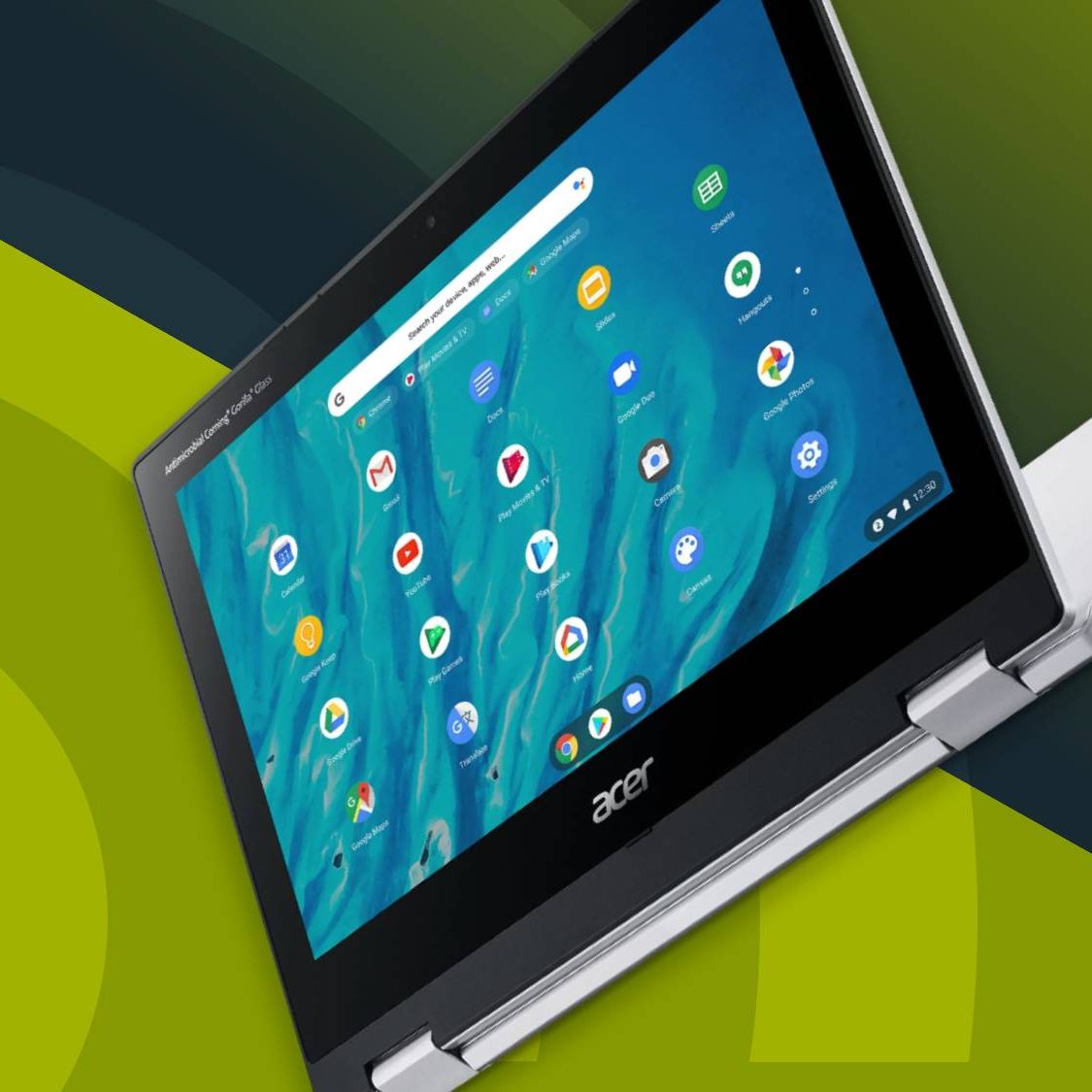
Yes, Chromebooks are excellent for kids due to their simplicity, security, and affordability. They support many educational apps, have long battery life, and offer easy maintenance, making them perfect for school tasks and online learning.
What Laptop Features Matter Most For Kids?
Important features include durability, lightweight design, good battery life, and a responsive touchscreen. Also, consider easy-to-use operating systems, parental controls, and compatibility with educational software to enhance learning and safety.
Conclusion
Choosing the best laptop for kids makes learning fun and easy. Safe features and simple designs help kids focus. A good laptop lasts through school years and playtime. Parents can feel confident about their child’s device. Remember to pick one with strong durability and good battery life.
This helps kids use it anywhere without worry. A smart choice today supports a child’s growth tomorrow. Keep these points in mind to find the right laptop. The perfect laptop helps kids explore and learn every day.