Choosing the best laptop for college can feel overwhelming. You want something that’s fast, reliable, and fits your budget.
But with so many options out there, how do you pick the perfect one for your needs? This guide will help you find a laptop that keeps up with your classes, projects, and entertainment without breaking the bank. Keep reading—you’re about to discover the top laptops that make college life easier and more productive.
Choosing The Right Laptop
Choosing the right laptop for college is important. It helps you study better and stay organized. A good laptop fits your needs and budget. It should be easy to carry and last long on a single charge. Think about what you will use it for every day.
Key Features For Students
Students need laptops that run fast and handle many tasks. Look for a good processor like Intel i5 or AMD Ryzen 5. At least 8GB of RAM is best for multitasking. Storage matters too. SSDs are faster than regular hard drives. A clear screen helps with reading and writing. Some programs need a good graphics card. Also, a comfortable keyboard and responsive touchpad make work easier.
Budget Considerations
Set a budget before choosing a laptop. Many good models cost between $400 and $800. Avoid spending too much on extra features you do not need. Check for student discounts or deals. Older models can still work well and cost less. Balance price with quality and features. Saving money on a laptop means more for books and supplies.
Portability And Battery Life
College students carry laptops to classes and libraries. Choose a laptop that is light and slim. Weight under 4 pounds is easier to carry all day. Battery life should last at least 8 hours. This avoids searching for outlets during long study sessions. Look for laptops with fast charging options. A portable laptop with good battery keeps you productive anywhere.

Credit: blog.acer.com
Top Laptops For 2025
Choosing the right laptop for college is very important. Students need a device that fits their study habits and lifestyle. In 2025, many laptops offer great features for learning and daily tasks. This guide shows the best laptops for different needs and budgets.
Best Budget Laptop
The best budget laptop gives good value without high cost. It should run basic apps smoothly and have enough battery life for long study sessions. Models with Intel or AMD processors and 8GB RAM work well. A solid state drive (SSD) helps with faster start-up and file access.
Best For Performance
Performance laptops handle demanding tasks like video editing and programming. They have powerful processors, more RAM, and better graphics. These laptops run heavy software without lag. They often come with a larger screen and improved cooling systems to maintain speed during long use.
Best For Portability
Portability matters for students who carry laptops all day. Lightweight and slim designs are easy to transport. Battery life should last through classes without charging. Look for laptops under 3 pounds with screens around 13 inches. These models fit well in backpacks and are comfortable to use anywhere.
Best 2-in-1 Laptop
Two-in-one laptops work as both a tablet and a laptop. They have touchscreens and can fold or detach. This flexibility is helpful for note-taking and presentations. These devices are versatile and save space. Students can switch modes depending on the task or environment.
Operating Systems Compared
Choosing the right operating system (OS) is key for college students. The OS controls how the laptop works and interacts with software. It affects study tasks, entertainment, and productivity. This section compares Windows, MacOS, and Chromebook to help pick the best fit.
Windows Advantages
Windows laptops offer wide software compatibility. Most college programs and apps run smoothly on Windows. Many affordable laptops use this OS. It supports gaming and creative software well. Windows has many customization options for users. It also works well with external devices. Updates improve security and features regularly. Windows suits students needing flexibility and variety.
Macos Benefits
MacOS is known for its clean design and ease of use. It runs smoothly on MacBooks with strong hardware. Many creative and design students prefer MacOS. It integrates well with other Apple devices. MacOS has fewer viruses and high security. The interface is simple, ideal for focused work. MacOS updates keep the system stable and fast. It suits students who want reliability and style.
Chromebook Suitability
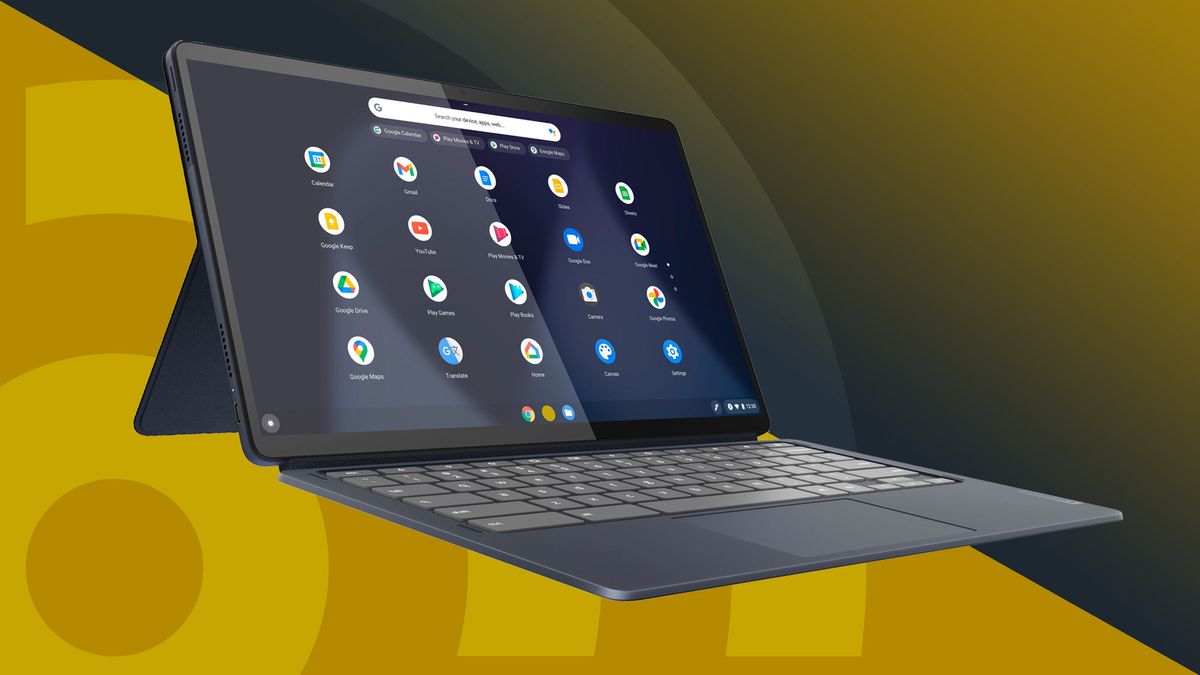
Chromebooks run Chrome OS, which is lightweight and fast. They rely mostly on internet and cloud apps. Chromebooks are affordable and easy to carry. Battery life is usually excellent on these devices. Security is strong due to automatic updates. Ideal for students using Google apps and web tools. Limited offline use but good for basic tasks. Chromebooks fit students needing simple, budget laptops.
Credit: kdfoundation.org
Specs That Matter
Choosing the right laptop means focusing on key specs. These affect speed, storage, and display. College students need a balance of performance and portability. Understanding these specs helps find a laptop that suits studies and daily tasks.
Processor And Ram
The processor is the laptop’s brain. It handles tasks and programs. A fast processor means smooth multitasking and quick responses. Look for at least an Intel Core i5 or AMD Ryzen 5. RAM affects how many apps run at once. Aim for 8GB RAM for good performance. More RAM helps with heavy apps and multiple tabs.
Storage Options
Storage holds your files, apps, and documents. Solid State Drives (SSD) are faster than traditional Hard Drives (HDD). SSDs load programs and files quickly. A 256GB SSD is a good starting point. Bigger storage helps if you save many files or videos. Some laptops offer a mix of SSD and HDD for speed and space.
Display Quality
The display affects how clear and comfortable your screen looks. A Full HD (1920×1080) resolution is ideal for sharp images. Size matters too. A 13 to 15-inch screen balances portability and viewing space. Matte screens reduce glare, good for bright rooms. Bright, clear displays reduce eye strain during long study sessions.
Accessories And Software
Choosing the right laptop is just the first step for college success. Accessories and software help students work smarter and stay organized. They improve productivity and protect your device. Smart tools make study time easier and more efficient.
Must-have Accessories
A good laptop bag keeps your device safe and easy to carry. Noise-canceling headphones help focus in noisy places. An external mouse offers better control than a trackpad. A portable charger keeps your laptop running during long days. A laptop stand improves posture and comfort during study sessions.
Useful Software For Students
Note-taking apps help organize class notes and ideas. Cloud storage keeps files safe and accessible anywhere. Antivirus software protects your laptop from threats. Office suites cover writing, spreadsheets, and presentations. Time management apps assist with deadlines and schedules. These tools save time and reduce stress for students.
Tips For Longevity And Maintenance
Keeping a laptop in good shape helps students save money and avoid troubles. Simple care steps make laptops last longer. Students should focus on protecting their device and keeping it running smoothly. This section shows easy tips for laptop care.
Protecting Your Laptop
Use a sturdy case to stop scratches and bumps. Avoid placing heavy items on top of the laptop. Always close the lid gently to protect the screen. Keep liquids away to prevent spills and damage. Clean the laptop with a soft cloth to remove dust. Avoid eating near the laptop to keep crumbs out of the keyboard. Store the laptop in a dry, cool place to stop overheating.
Optimizing Performance
Regularly update the laptop’s software for better security and speed. Delete files that are no longer needed to free up space. Use antivirus software to protect against viruses and malware. Close apps not in use to save memory and battery. Restart the laptop often to clear temporary files. Adjust power settings to extend battery life. Run disk cleanup tools to improve system performance.

Credit: www.bestproducts.com
Frequently Asked Questions
What Features Should College Students Look For In A Laptop?
College students need laptops with fast processors, ample RAM, and long battery life. Portability and a high-resolution display also matter. These features ensure smooth multitasking, efficient study, and easy mobility between classes and libraries.
Which Laptop Brands Are Best For College Students?
Top laptop brands for college students include Apple, Dell, HP, Lenovo, and ASUS. These brands offer reliable performance, durability, and excellent customer support. They provide models suited for various budgets and academic needs.
How Much Should Students Spend On A College Laptop?
Students should budget between $500 and $1000 for a quality college laptop. This range balances performance, durability, and affordability. Higher budgets allow for premium features, but many budget models suffice for typical academic tasks.
Are Lightweight Laptops Better For College Use?
Yes, lightweight laptops are ideal for college students. They are easy to carry around campus and reduce physical strain. Portability combined with good battery life supports studying anywhere, anytime.
Conclusion
Choosing the right laptop makes college life easier. Think about your budget and needs first. A good laptop helps with studying, projects, and entertainment. Battery life and portability matter a lot on campus. Find a balance between performance and price.
This guide helps you pick the best fit. Start your college journey with a reliable device. Enjoy learning and stay productive every day.