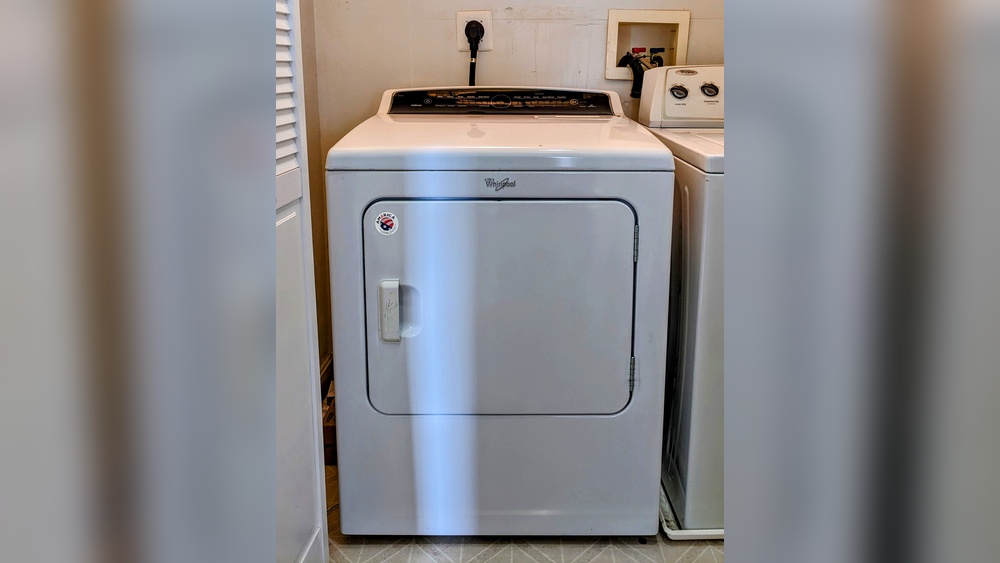
Are you tired of waiting hours for your clothes to dry? A reliable clothes dryer for home use can change the way you handle laundry.
Imagine having fresh, warm clothes ready in minutes, no matter the weather outside. Whether you live in a small apartment or a large house, the right dryer can save you time, energy, and effort every day. You’ll discover how to choose the perfect clothes dryer that fits your needs and lifestyle.
Keep reading to find out what features matter most and how to make your laundry routine easier than ever.
Credit: www.homedepot.com
Types Of Home Clothes Dryers
Choosing the right clothes dryer for home use depends on understanding the types available. Each type works differently and fits different needs. Knowing these types helps in picking the best dryer for your laundry routine.
Vented Dryers
Vented dryers push hot air through clothes. Moist air then leaves through a vent outside your home. They dry clothes fast but need space for vent installation. These dryers usually cost less upfront.
Condenser Dryers
Condenser dryers collect moisture from clothes inside a container. No vent to the outside is needed. You empty the water tank after drying. They are good for homes without vent options.
Heat Pump Dryers
Heat pump dryers save energy by recycling hot air. They use lower temperatures to dry clothes gently. These dryers take longer but reduce electricity use. Ideal for saving money on power bills.
Washer-dryer Combos
Washer-dryer combos wash and dry clothes in one machine. They save space and are easy to use. These machines take more time than separate units. Perfect for small homes or apartments.
Credit: www.homedepot.com
Key Features To Consider
Choosing the right clothes dryer for your home is important. The best dryer fits your needs and saves energy. Some features matter more than others. Knowing what to check helps you pick the best one.
Drying Capacity
Check the dryer’s capacity before buying. It shows how many clothes fit inside. Bigger families need larger capacity dryers. Smaller loads work well with compact dryers. Match the size to your laundry habits.
Energy Efficiency
Energy use affects your bills and the environment. Look for dryers with high energy ratings. They use less power and cost less to run. Energy-efficient models often last longer too. Save money and help the planet.
Drying Programs
Different clothes need different drying settings. Choose a dryer with many programs. Options like delicate, quick dry, or heavy-duty help protect clothes. More programs mean better care for your fabrics. It also reduces wear and tear.
Noise Levels
Dryers can be loud, which may disturb your home. Check the noise level before buying. Quiet models work well in small spaces. Noise ratings help you find a peaceful option. A quiet dryer makes laundry time better.
Maintenance Needs
Regular care keeps your dryer working well. Look for easy-to-clean lint filters and accessible parts. Some dryers have self-cleaning features. Less maintenance saves time and effort. Choose a model that fits your routine.
Energy Saving Tips
Saving energy with a clothes dryer helps reduce bills and protect the environment. Small changes can make a big difference. Use these tips to make your dryer work efficiently and save power.
Choosing The Right Dryer
Select a dryer that fits your home size and needs. Look for models with high energy ratings. Energy-efficient dryers use less electricity and dry clothes faster. Consider heat pump dryers for even better savings.
Optimal Load Size
Dry full loads, but do not overload the dryer. A full load uses energy well. Overloading blocks air flow and wastes power. Small loads run quickly but may waste energy per item. Balance load size for best results.
Use Of Sensor Drying
Use the sensor drying feature if available. Sensors stop the dryer when clothes are dry. This avoids extra drying time and saves energy. It also helps protect clothes from damage.
Regular Maintenance
Clean the lint filter after every use. A clean filter improves air flow and drying speed. Check the vent hose for blockages. Clear vents reduce drying time and power use. Regular care keeps your dryer efficient.
Installation And Venting Options
Installing a clothes dryer at home needs careful planning. Proper installation ensures safety and efficiency. Venting is a key part of this process. Choosing the right venting option affects dryer performance and room air quality.
Vented Vs. Ventless Setup
Vented dryers push moist air outside through a vent pipe. This needs an external wall or window. Ventless dryers use a heat exchanger to remove moisture. They do not need an outside vent. Ventless models fit small spaces better. Vented dryers usually dry clothes faster. But ventless dryers are easier to install.
Space Requirements
Check the space before installing a dryer. Vented dryers need enough room for the vent pipe. This pipe must run straight to the outside. Ventless dryers need less space as they have no pipes. Allow extra space for airflow and door opening. Measure width, depth, and height carefully. Plan for easy access and maintenance.
Electrical And Plumbing Needs
Dryers need proper power sources. Electric dryers need a 240-volt outlet. Gas dryers require a gas line and 120-volt power. Ventless dryers sometimes need a drain for water from condensation. Ensure your home has the right connections. Hiring a professional helps meet safety rules. Proper setup prevents risks and improves dryer life.
Troubleshooting Common Issues
Troubleshooting your clothes dryer helps keep it working well. Small problems can stop your dryer from doing its job. Fixing these issues saves time and money. Below are common dryer problems and easy ways to solve them.
Dryer Not Heating
Check if the dryer is plugged in. Make sure the circuit breaker is not tripped. Clean the lint filter; it can block heat. Inspect the heating element for damage. Sometimes, a faulty thermostat stops heating. Call a technician if the problem stays.
Long Drying Times
Clean the lint filter before every use. Check the vent hose for blockages. A clogged vent slows air flow and dries clothes slowly. Make sure the dryer is not overloaded. Large loads take longer to dry. Regular maintenance keeps drying times short.
Unusual Noises
Listen for sounds like squeaks or thumps. Loose parts or worn belts can cause noise. Check the drum rollers and idler pulley. Remove any small objects from pockets. Noise may signal a need for repair. Stop using the dryer if noise worsens.
Lint Buildup
Lint can catch fire if not cleaned. Clean the lint filter after each use. Check the vent pipe for lint buildup. Use a vent brush to clear blockages. Keep the area around the dryer clean. Regular lint removal improves dryer safety and efficiency.
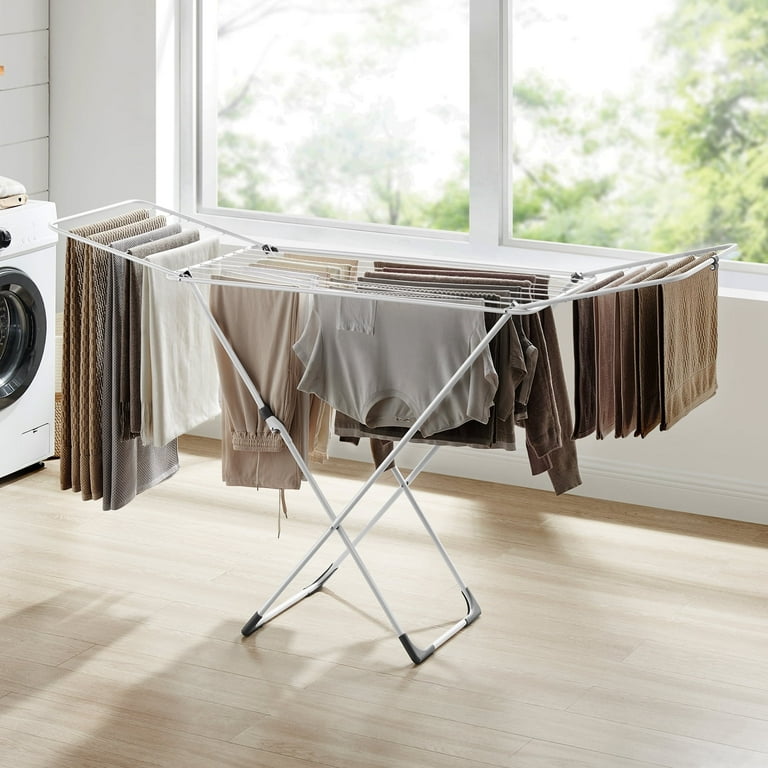
Credit: www.walmart.com
Top Brands And Models
Choosing the right clothes dryer is important for every home. The market offers many brands and models. Each has different features, prices, and benefits. Knowing the top options helps you find the best fit for your needs. Below are popular choices divided into high-end, budget-friendly, and customer favorites.
High-end Options
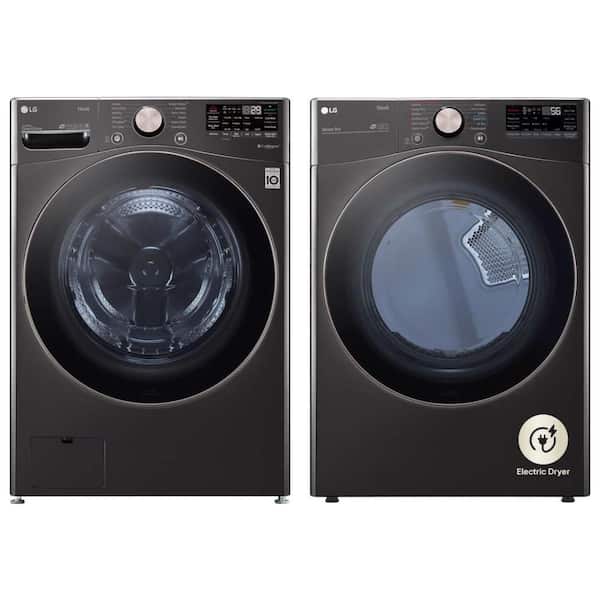
High-end dryers offer advanced features and durability. Brands like Samsung, LG, and Whirlpool lead this category. These models have smart sensors that adjust drying time automatically. Many come with steam cycles to reduce wrinkles. They also use less energy, saving money in the long run. Quiet operation is another plus of these premium machines.
Budget-friendly Choices
Budget-friendly dryers work well for simple drying needs. Brands such as Amana, GE, and Hotpoint provide good value. These models focus on basic functions without extra features. They are easy to use and maintain. Despite the lower price, many still offer good drying performance. Ideal for small families or occasional use.
Customer Favorites
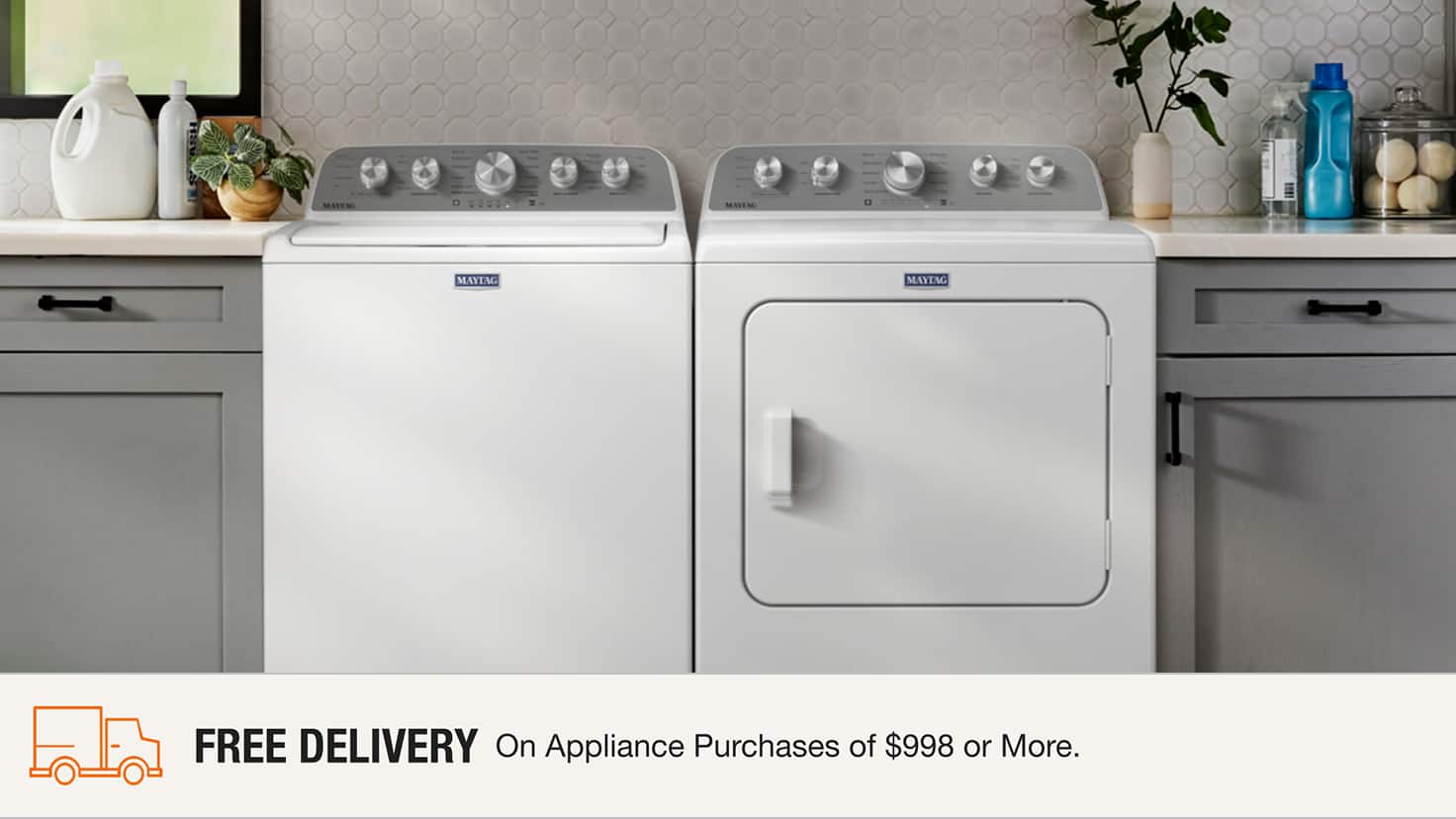
Customer favorites combine quality and value. Many buyers recommend models from Maytag, Electrolux, and Bosch. These dryers often balance features and price. They include popular options like moisture sensors and multiple drying cycles. Easy controls and reliable results make them top choices. They meet the needs of most households well.
Maintaining Your Dryer
Maintaining your clothes dryer keeps it running safely and efficiently. Regular care prevents damage and saves energy. Simple tasks help your dryer last longer and dry clothes better.
Cleaning Lint Filters
Clean the lint filter after every load. Lint buildup blocks airflow and causes overheating. Remove the filter, take off lint, and replace it. This step helps your dryer work faster and safer.
Checking Vents
Check the dryer vents often for blockages. Dust and lint can clog vents and reduce airflow. Clear any debris to prevent fires and improve drying. Make sure vents lead outside and are not crushed or bent.
Routine Inspections
Inspect your dryer regularly for wear and tear. Look for loose wires, strange noises, or burning smells. Fix small problems before they become big. Regular checks keep your dryer safe and reliable.
Frequently Asked Questions
What Types Of Clothes Dryers Are Best For Home Use?
Electric and gas dryers are popular for home use. Electric dryers are easier to install, while gas dryers save energy and cost less to run over time.
How Much Energy Does A Typical Home Clothes Dryer Use?
Most home dryers use between 2,000 to 6,000 watts per cycle. Energy-efficient models use less power and help reduce electricity bills.
Can A Clothes Dryer Damage Delicate Fabrics?
Yes, high heat can damage delicate fabrics. Use the “delicate” or “air dry” setting to protect sensitive clothes and extend their lifespan.
How Do I Maintain My Clothes Dryer For Best Performance?
Clean the lint filter after every use. Regularly check and clean the vent to prevent fire hazards and improve drying efficiency.
Conclusion
Choosing the right clothes dryer makes laundry easier and faster. It saves time and energy every day. Dryers come in many types to fit your space and budget. Some use less power and keep clothes soft. Keep your dryer clean for best results and safety.
Think about your needs before buying one. A good dryer helps keep clothes fresh and ready. Simple steps make laundry less of a chore. Enjoy the convenience a dryer brings to your home.