When you’re ready to upgrade your computer speakers, it’s easy to feel overwhelmed by all the choices out there. You want clear sound, easy setup, and something that fits your space just right.
But how do you know which features really matter? I’ll share the 5 essential features I always look for before buying computer speakers. By focusing on these, you’ll get the best sound experience without wasting money on things you don’t need.
Keep reading—you’ll discover how to pick speakers that make every song, game, and call sound amazing.
Sound Clarity
Sound clarity is the heart of any good computer speaker. Clear sound makes music, movies, and games enjoyable. It helps you hear every detail without strain. Poor clarity leads to muddled sounds and frustration. Choosing speakers with excellent sound clarity improves your experience greatly.
Frequency Range
The frequency range shows how low and high the speakers can play sounds. A wide range means you hear deep bass and sharp highs. Speakers with a frequency range from 20 Hz to 20 kHz cover most sounds humans can hear. Narrow ranges limit sound detail and make audio less rich.
Distortion Levels
Distortion happens when speakers change the sound. Low distortion means the sound stays true to the original. High distortion makes music sound rough or fuzzy. Look for speakers with distortion levels below 1%. This keeps sound natural and pleasant.
Speaker Drivers
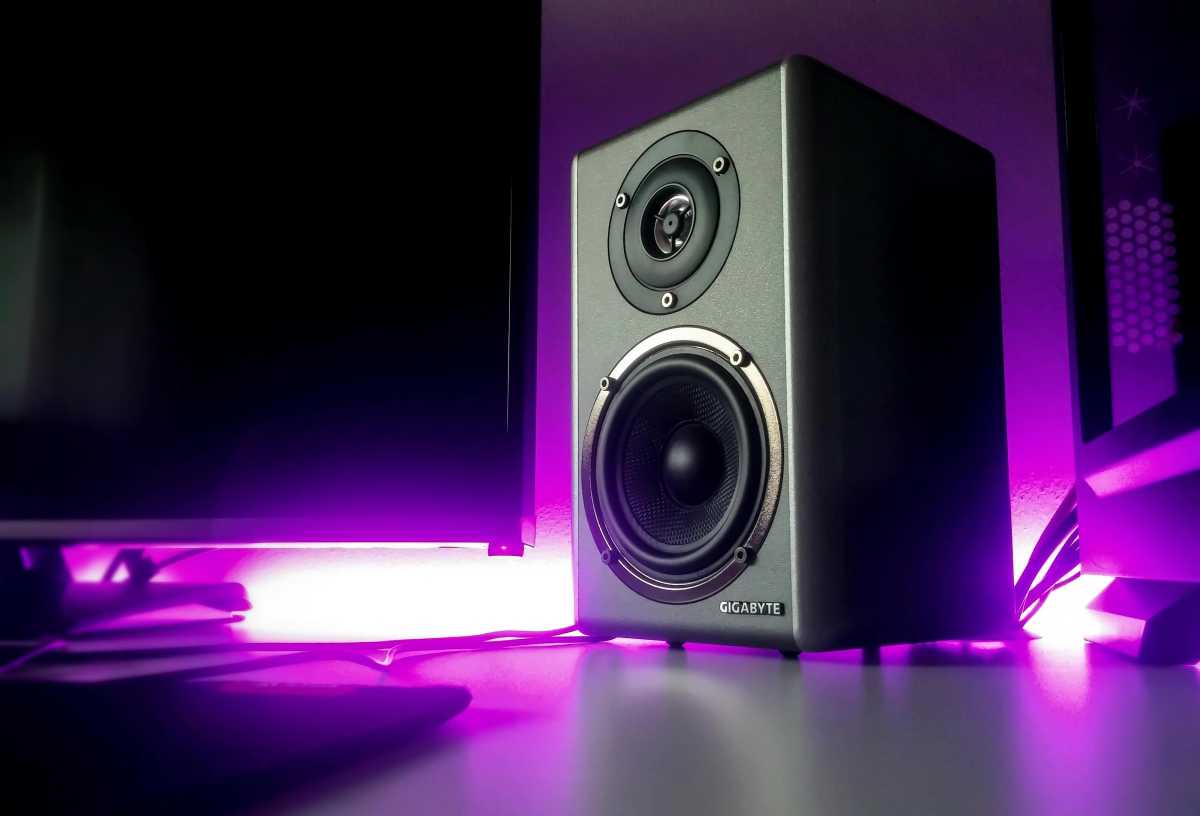
Drivers turn electrical signals into sound. Larger drivers usually produce better bass. Smaller drivers handle high frequencies well. Some speakers use multiple drivers for clear and balanced sound. Good drivers help deliver crisp and full audio without strain.
Credit: www.pcworld.com
Build Quality
Build quality plays a big role in choosing computer speakers. It affects sound, lifespan, and user experience. Strong build quality means speakers last longer and perform well. Good materials and smart design keep them safe and stylish. Here are three key parts of build quality to watch for.
Material Durability
Durable materials protect speakers from damage. Hard plastic or metal casings resist scratches and drops. Quality wood can improve sound and last long. Avoid cheap plastic that feels weak or breaks easily. Strong materials keep your speakers working for years.
Design And Aesthetics
Design affects both looks and function. Simple shapes often deliver better sound. Smooth surfaces make cleaning easy. A neat design fits any desk or room. Choose speakers that look good and match your style.
Portability
Portable speakers offer flexibility and convenience. Small, lightweight models are easy to move. Some have built-in batteries for wireless use. Portability lets you enjoy music anywhere. Check size and weight before buying.
Connectivity Options
Connectivity options play a big role in choosing the right computer speakers. They determine how you connect your devices and how easy it is to use the speakers. Good connectivity means you can enjoy sound without interruptions or extra hassle.
Wired Vs Wireless
Wired speakers connect through cables like USB or audio jacks. They often give a stable and clear sound without delay. Wireless speakers use signals like Bluetooth or Wi-Fi. They offer more freedom to move around without wires. Consider your space and use before choosing wired or wireless.
Bluetooth Compatibility
Bluetooth allows easy connection with many devices. It works well with laptops, phones, and tablets. Check if the speakers support the latest Bluetooth versions for better sound and range. Some speakers can connect to multiple devices at once, which is handy.
Additional Ports
Extra ports add flexibility to your speakers. Look for USB ports to connect flash drives or other gadgets. An aux input lets you plug in devices without Bluetooth. Some speakers have SD card slots for direct music play. More ports mean more ways to enjoy your sound.

Credit: www.eyeonannapolis.net
Bass Performance
Bass performance is a key factor in choosing computer speakers. It shapes how music, movies, and games feel. Good bass adds depth and power to sound. Poor bass makes audio flat and dull. I focus on bass to enjoy rich and clear audio experiences.
Subwoofer Presence
A subwoofer handles low frequencies and deep sounds. Speakers with a separate subwoofer deliver stronger bass. It brings out the rumble in music and effects. Some speakers have built-in subwoofers, while others use external ones. A strong subwoofer makes a big difference.
Bass Control Features
Adjusting bass levels helps customize sound to taste. Some speakers offer bass knobs or software controls. It allows turning bass up or down easily. Good bass control prevents sound from becoming too boomy or weak. This feature helps match bass to room size and content.
Impact On Overall Sound
Bass affects the balance of all sound frequencies. Strong bass enriches music without drowning other sounds. It creates a fuller and more natural audio experience. Poor bass can muddy vocals and instruments. Clear and tight bass improves overall sound quality.
User-friendly Controls
User-friendly controls are vital for a great speaker experience. They make using the speakers simple and enjoyable. Easy controls help you adjust sound without hassle. Clear buttons and dials improve usability. Controls should be intuitive for every user.
Volume And Tone Adjustment
Adjusting volume must be smooth and precise. A good speaker lets you change bass and treble easily. Simple knobs or buttons work best. Quick access to tone controls improves listening comfort. No complicated menus or confusing steps needed.
Remote Control Availability
A remote control adds convenience to daily use. It lets you change settings from your seat. Look for remotes with clear, well-marked buttons. Some remotes offer extra features like mute or input switch. This small tool makes managing speakers easier.
Ease Of Setup
Speakers should be easy to set up quickly. Clear instructions and few cables reduce setup time. Plug-and-play designs suit users with little tech experience. No need for special tools or apps. Simple setup means you start enjoying sound faster.

Credit: www.wired.com
Frequently Asked Questions
What Sound Quality Should I Expect From Computer Speakers?
Look for speakers with clear, balanced audio and good bass response. High-quality drivers and frequency range contribute to better sound. Ensure the speakers suit your room size and listening preferences for optimal experience.
How Important Is Speaker Connectivity For Computer Use?
Connectivity options like USB, Bluetooth, and 3. 5mm jack provide flexibility. Choose based on your device compatibility and convenience. Wireless connections offer mobility, while wired ensure stable audio without latency.
Should I Consider Speaker Size And Design?
Yes, size affects sound output and space fit. Compact speakers save desk space, while larger ones often deliver richer sound. Design should complement your workspace and enhance usability without clutter.
Do Built-in Amplifiers Improve Speaker Performance?
Built-in amplifiers boost sound power and clarity. They eliminate the need for external amps, simplifying setup. This feature is essential for achieving louder, distortion-free audio from your computer speakers.
Conclusion
Choosing the right computer speakers makes a big difference. Sound quality, size, and connectivity matter most. Don’t forget about power and extra features. These five points help you pick speakers that fit your needs. Enjoy clear audio for work, games, or movies.
Take your time and compare options carefully. Good speakers improve your whole computer experience. Simple steps lead to better sound and more fun. Keep these essentials in mind when shopping next time.